
Table of Contents
ToggleSan Bernardino’s real estate market is shifting, and tiny homes for sale in San Bernardino are becoming a serious option for buyers tired of inflated prices and endless bidding wars. Whether you’re a first-time homebuyer, downsizer, or someone seeking a sustainable lifestyle, the Inland Empire’s growing tiny home inventory offers affordability and opportunity. This guide walks you through what’s available, where to look, how to finance your purchase, and what red flags to watch for before you sign on the dotted line.
Key Takeaways
- Tiny homes for sale in San Bernardino range from $180,000 to $350,000 and offer affordability for first-time buyers, downsizers, and remote workers seeking sustainable living near major job centers.
- San Bernardino’s relaxed zoning regulations, developer interest, and location 30–60 minutes from Los Angeles make it an emerging tiny home hotspot with growing inventory and market stability.
- Typical tiny homes in the area range from 400–800 square feet with features like open layouts and energy-efficient systems, but inspection of foundation, utilities, and electrical systems is critical before purchase.
- Financing options including conventional mortgages, FHA loans with 3.5% down, VA loans, and construction loans make tiny homes accessible, though lenders require properties to meet specific standards like permanent foundations and separate utilities.
- Evaluate foundation permanence, metered utilities, land ownership or lease terms, zoning legality, and resale potential before making an offer, as tight-lot living amplifies the importance of neighborhood character and community dynamics.
Why San Bernardino Is Becoming a Tiny Home Hotspot
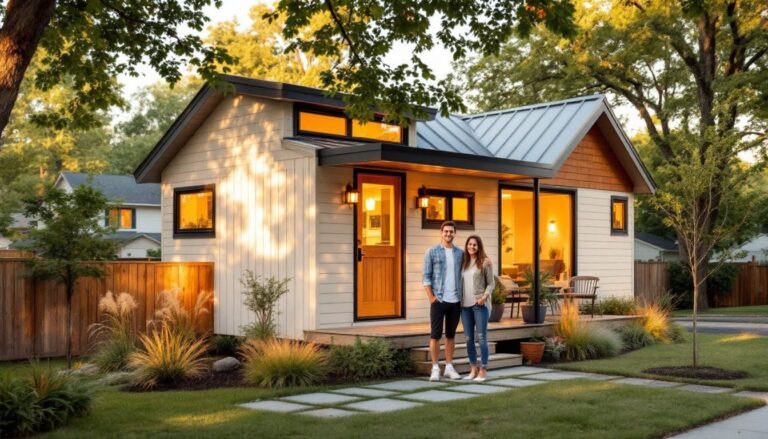
San Bernardino has transformed from a niche real estate corner into a legitimate hub for compact, efficient housing. Several factors drive this shift. First, affordability. The median tiny home price in the area sits significantly lower than standard single-family homes, making homeownership accessible to demographics previously priced out. Second, zoning changes. The city has relaxed regulations on accessory dwelling units (ADUs) and allowed more density in residential zones. Third, developer interest. Both local builders and national tiny home companies are recognizing San Bernardino’s potential and launching new communities.
The sustainability angle matters too. Younger buyers and environmentally conscious downsizers prefer smaller footprints and lower utility costs. Tiny homes deliver both. Plus, San Bernardino’s location, 30 to 60 minutes from Los Angeles, Orange County, and the High Desert, appeals to remote workers and commuters who prioritize proximity to job centers without paying LA-area prices.
What to Expect: Pricing, Size, and Location Overview
Understanding market fundamentals saves you time and helps set realistic expectations before you start touring.
Average Prices and Market Trends
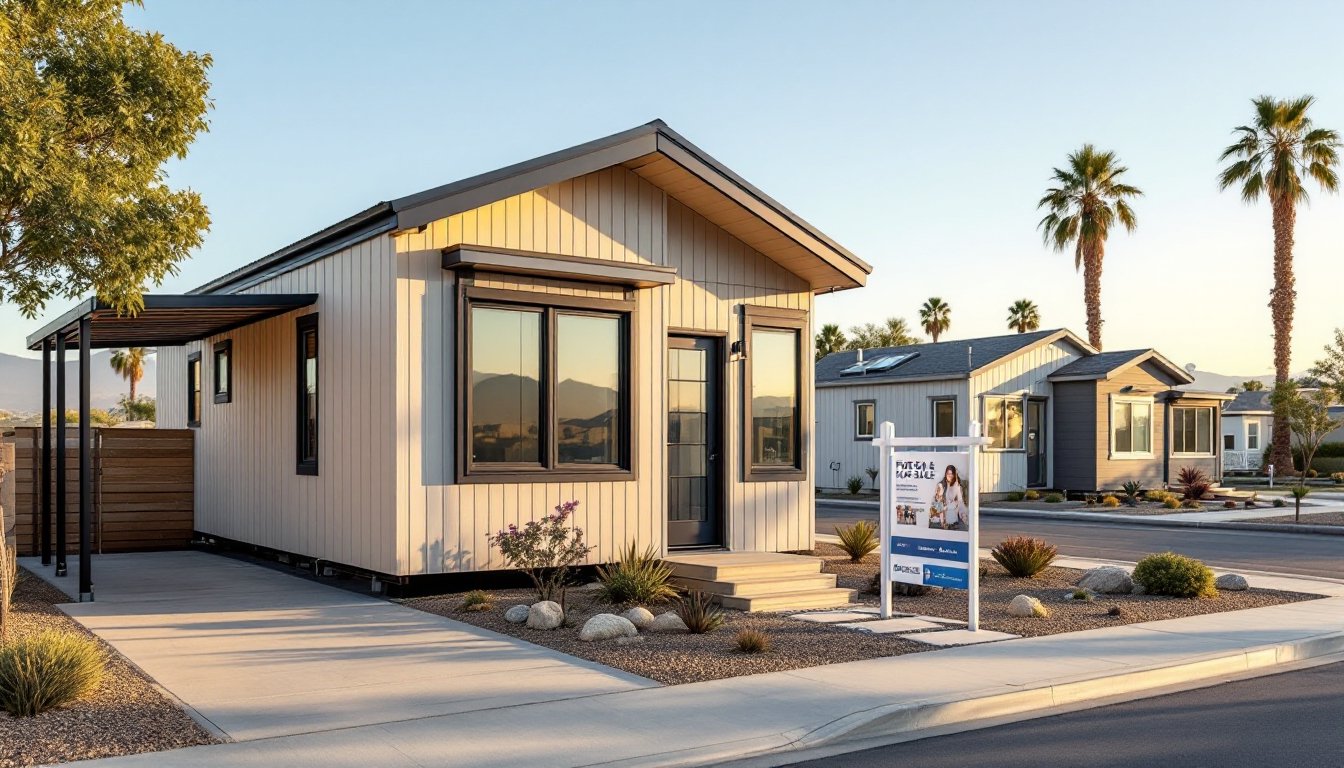
As of early 2026, tiny homes in San Bernardino typically range from $180,000 to $350,000, depending on condition, square footage, lot size, and neighborhood. New construction leans toward the higher end: resales and fixer-uppers occupy the lower band. The market has remained relatively stable compared to 2023–2024 volatility, with steady demand and moderate inventory. Recent home design news and real estate trends indicate that affordability-focused markets like San Bernardino continue gaining buyer interest. Financing rates, lot availability, and whether the property includes land or sits in a community all affect final price.
Typical Square Footage and Home Features
Most San Bernardino tiny homes clock in between 400 and 800 square feet, a far cry from the 2,100-square-foot US average. A typical layout might feature one bedroom, one bathroom, an open kitchen-living area, and limited storage. Quality varies widely. Some homes include energy-efficient windows, modern HVAC systems, and updated appliances: others require upgrades. Foundation types matter: look for proper concrete slabs, not just ground-level setups. Roof condition and electrical panel amperage (200-amp is standard: 100-amp indicates future panel upgrade costs) are common inspection sticking points.
Key Neighborhoods to Explore for Tiny Home Listings
San Bernardino isn’t monolithic, neighborhoods vary in walkability, school quality, safety, and character. Downtown San Bernardino is experiencing revitalization, with infill tiny homes and converted buildings attracting young professionals and empty-nesters. The Sycamore Creek area offers quieter residential blocks with larger lots, ideal if you want a tiny home with outdoor space. West San Bernardino near the university tends to attract students and budget-conscious buyers: prices are lower, but amenities are fewer. East San Bernardino neighborhoods like Green Tree and Kendall have seen steady investment, though research crime stats and school ratings carefully.
For each area, visit local planning offices or check city zoning maps to confirm tiny home legality. Some neighborhoods have HOA restrictions that cap square footage or impose design standards. Walk the streets at different times: meet potential neighbors: assess parking, noise from nearby corridors, and proximity to essential services. Small homes + tight lots = proximity matters.
Financing and Affordability Options for Tiny Home Buyers
Financing a tiny home differs slightly from a standard mortgage, so know your options upfront. Conventional mortgages work fine if the property meets lender standards, typically, 500+ square feet, permanent foundation, and separate utilities. Expect 10–20% down and rates competitive with standard home loans. FHA loans often accept smaller properties and allow 3.5% down, though minimum property standards apply. VA loans remain available if you’re military or veteran.
Construction loans apply if you’re building or buying a pre-built on raw land. Personal loans or home equity lines of credit suit those buying an ADU or small home outright without traditional financing. Chat with lenders familiar with the San Bernardino market: some have streamlined tiny home applications. Loan approval depends on your credit score, income, down payment, and the property’s condition and documented value. Be honest about the home’s square footage and age, lenders will verify. Tiny home communities sometimes offer in-house financing or partnerships with specific lenders, which can simplify the process.
Essential Questions to Ask Before Making an Offer
Before you commit emotionally or financially, ask hard questions and demand honest answers.
Foundation and structure: Is the foundation permanent concrete or does it rest on blocks? Has the home been professionally inspected? Are there cracks, settling, or water intrusion signs? Tiny homes on marginal foundations can become money pits.
Utilities and systems: Are water, sewer, and electric separate metered to you, or shared? (Shared = ongoing disputes with neighbors.) What’s the age and condition of the HVAC, water heater, and electrical panel? Replacement costs add up fast in tiny homes where space is tight.
Land and zoning: Do you own the land, lease it, or rent through a community? If you don’t own it, understand lease terms, renewal options, and fee escalation. Check zoning to confirm the property is legally classified for residential use and that no future restrictions threaten its value. Small space living requires clarity on what you can and cannot modify, which apartment decor tips and space solutions reinforce.
Community and neighbors: Visit the site multiple times, at different hours. Talk to existing residents. Are there ongoing disputes, noise issues, or drainage problems? A tight-knit community can be wonderful or claustrophobic, only you know which appeals.
Resale potential: Be brutally honest: will this home be easy to sell in five or ten years? Tiny homes appreciate more slowly than standard homes in some markets. Ask the listing agent for recent comps and what buyer pool exists locally.