
Table of Contents
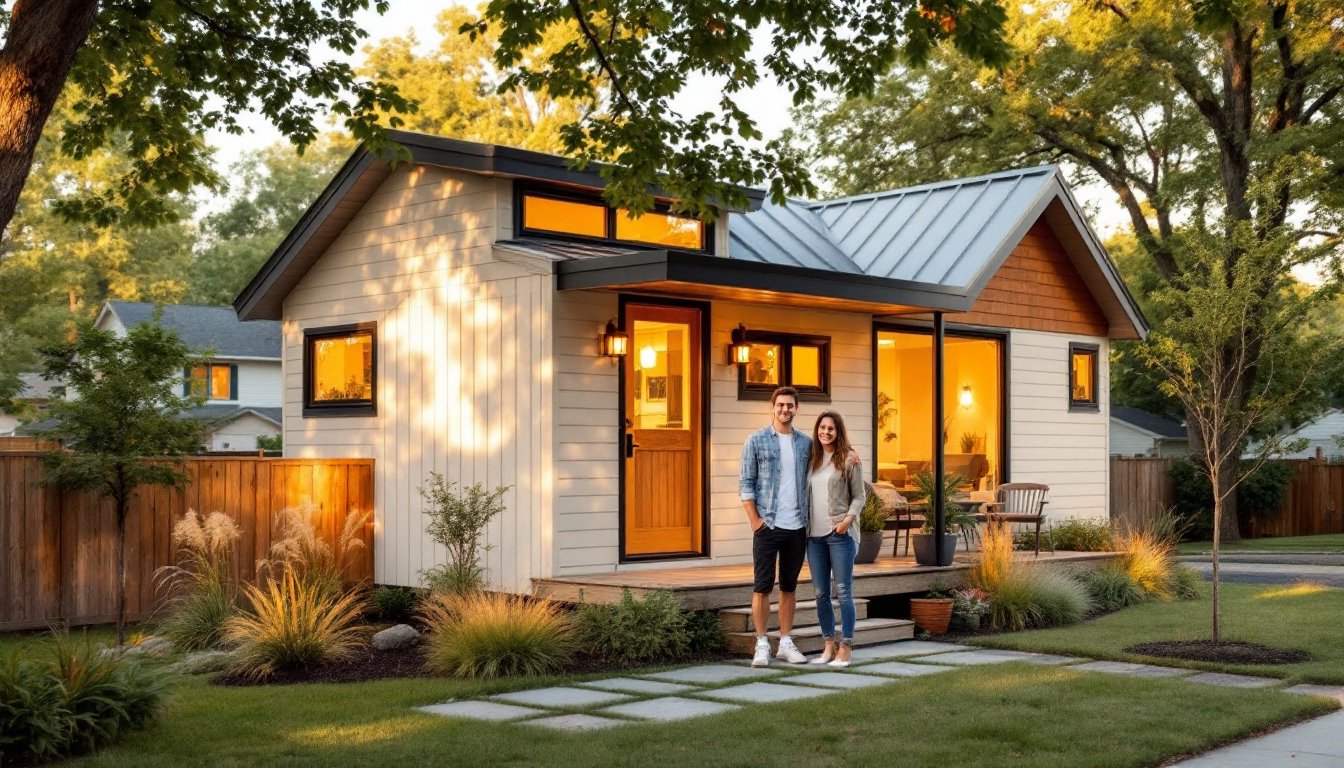
ToggleMaryland’s housing market is shifting. More buyers, particularly millennials, empty-nesters, and minimalists, are ditching sprawling suburban homes for tiny homes that don’t sacrifice quality or style. If you’re searching for tiny homes for sale in Maryland, you’re tapping into a real movement. These compact properties offer lower mortgage payments, reduced maintenance headaches, and surprisingly flexible layouts. Whether you’re drawn to urban accessibility or suburban peace, Maryland’s tiny home market has options that challenge the old assumption that smaller means fewer choices. This guide walks you through what’s actually available, where to find it, and how to navigate the buying process.
Key Takeaways
- Tiny homes for sale in Maryland offer 30–50% cost savings compared to the state’s median $400,000 home price, making them ideal for first-time buyers and downsizers seeking affordability.
- Urban neighborhoods like Baltimore’s Fells Point and Canton, plus planned communities like Columbia and Laurel, provide the best tiny home locations with integrated community support and mixed housing types.
- Maryland tiny homes typically range from $120,000 to $350,000, with urban properties commanding 20–40% premiums; searches have jumped 45% year-over-year since 2024, creating tight inventory and firm pricing.
- Financing tiny homes requires specialized lenders and longer pre-approval timelines, with down payments often 15–20%, since traditional banks hesitate on smaller mortgages and non-traditional builds.
- Zoning laws vary significantly across Maryland counties—verify minimum square footage requirements, lot size restrictions, and ADU regulations in writing before making an offer to avoid costly legal issues.
- Smart design choices like vertical storage, multi-functional furniture, natural light, and neutral color palettes transform compact spaces into livable, functional homes that don’t feel cramped.
Why Tiny Homes Are Taking Off In Maryland
The tiny home movement in Maryland isn’t just Instagram-friendly nostalgia, it’s rooted in economics and lifestyle shifts. Maryland’s median home price hovers around $400,000 in many markets, which prices out first-time buyers and downsizers alike. A typical tiny home, usually 400–800 square feet, costs 30–50% less and often requires half the property tax burden.
Beyond price, Maryland buyers appreciate the efficiency angle. Smaller homes mean lower utility costs, quicker cleaning, and less clutter creeping in over time. For remote workers, a dedicated 8-by-10 office nook in a 600-square-foot home beats a sprawling house with wasted hallways. Working from home? You eliminate the commute to Baltimore, D.C., or other regional job hubs, a real win given Maryland’s traffic.
The sustainability factor matters too. Fewer materials, less heating and cooling demand, and often built-in eco-conscious features (solar panels, composting toilets, reclaimed materials) appeal to environmentally conscious buyers. Maryland’s progressive environmental policies align well with tiny home values. Plus, younger buyers and retirees downsizing from four-bedroom colonials find the lifestyle refreshing: less house to maintain means more time and money for what actually matters.
Best Maryland Locations For Tiny Home Living
Not all Maryland neighborhoods suit tiny living equally. Location determines resale value, community vibe, and whether neighbors embrace or tolerate your compact footprint.
Urban And Suburban Options
Baltimore’s neighborhoods, Fells Point, Canton, and Federal Hill, increasingly feature tiny homes and accessory dwelling units (ADUs). These tight, historic streets naturally support smaller properties. Walkability is high: you’re minutes from restaurants, transit, and culture. But, urban lots are tight, and you’ll compete with buyers on a smaller geographic scale.
Columbia and Laurel offer suburban sweet spots: planned communities with mixed housing types that normalize smaller homes. These towns sit between Baltimore and Washington, D.C., capturing commuters who want lower density than the city but better transit than rural areas. Tiny homes here feel integrated rather than wedged into single-family neighborhoods.
Annapolis waterfront areas attract downsizers and retirees, though prices reflect the location premium. Rural counties, Washington, Frederick, and Carroll, offer land-rich tiny home sites at lower cost, but you’ll sacrifice walkability and face longer commutes.
Research local zoning before assuming your chosen neighborhood allows tiny homes. Some areas cap minimum lot sizes or require certain square footages, which can block or delay your purchase. Several resources show shipping container tiny homes and alternative builds becoming more common across Maryland as codes evolve. Check with your county assessor or planning office early, don’t fall in love with a property only to discover zoning blocks it.
What To Expect In Pricing And Market Trends
Maryland tiny homes typically range from $120,000 to $350,000 depending on location, condition, finishes, and whether land is included. Urban properties near Baltimore or Annapolis command 20–40% premiums over similar rural builds. A $150,000 tiny home outside Westminster might cost $210,000 if moved to a Canton neighborhood, same structure, different zip code.
Market momentum is positive. Searches for tiny homes in Maryland have jumped 45% year-over-year since 2024. Inventory remains tight, partly because builders treat tiny homes as niche projects rather than standard offerings. This scarcity keeps prices firm, especially for move-in-ready homes.
Financing can be trickier than traditional homes. Many lenders hesitate on mortgages under $150,000 or on non-traditional builds (shipping containers, park models). Credit unions and specialized lenders like those featured in minimalist design communities often succeed where big banks balk. Budget for longer pre-approval timelines and higher down-payment percentages, sometimes 15–20% instead of the standard 10%.
Seasonal swings apply here too. Spring and early summer see more active sellers. Winter inventory dries up but means less competition for serious buyers willing to move fast.
Essential Buying Tips For Maryland Tiny Homes
Buying a tiny home differs from standard home purchases in subtle but important ways.
First, prioritize inspections harder than ever. Tight construction means any hidden defect, roof leaks, foundation cracks, plumbing issues, impacts livability dramatically. A $3,000 roof repair on a 600-square-foot home is proportionally bigger than on a 3,000-square-foot house. Hire a thorough inspector who’s inspected tiny homes before: they’ll know where problems hide.
Second, verify utilities and septic systems in detail. Not all tiny homes have city sewer access, especially rural builds. Septic systems need proper drain fields and maintenance. Well water quality varies: request water test results. Electrical capacity matters too, some older tiny homes run on 100-amp service when 200-amps better supports modern appliances.
Third, walk the property during different times of day and weather. Afternoon sun angles differ from morning light. Rain reveals drainage issues. Night visits show neighbor activity and noise. You’re living in closer quarters than in traditional homes, be sure the immediate surroundings feel right.
Zoning Laws And Legal Considerations
Zoning is non-negotiable. Many Maryland counties distinguish between “tiny homes” and standard residential units, enforcing minimum square footage (often 1,000–1,500 square feet). Some allow tiny homes only on owned land, not in rental communities. Others require minimum lot sizes incompatible with tiny footprints.
Accessory Dwelling Units (ADUs) have different rules again. Some jurisdictions permit an ADU plus to a primary home, while others cap total unit count. Mobile home classifications differ from site-built tiny homes, tax implications and financing diverge significantly.
Before making an offer, request written zoning confirmation from the county planning department. Have your agent pull a zoning report. If the property is already non-conforming, you’re stuck with grandfathered status, meaning future renovations or additions may require costly variances. This isn’t a deal-killer, but it’s a deal modifier.
Building permits matter equally. If the tiny home was custom-built, verify all work passed inspections and permits exist. Unpermitted additions or alterations create title insurance headaches and complicate future resale. Ask the seller for a permit history printout.
Maximizing Space: Design Solutions For Tiny Living
Once you own your tiny home, layout and design determine whether it feels cozy or claustrophobic. Smart design choices separate livable tiny homes from expensive shoeboxes.
Vertical storage is non-negotiable. Wall-mounted shelving, tall pantries, and loft sleeping areas reclaim 20–30% more usable volume than floor-based furniture. Open shelving (instead of cabinets) makes spaces feel larger and forces you to keep only what matters. Closed storage hidden behind doors shrinks the visual footprint.
Multi-functional furniture doubles purpose. A kitchen island with built-in seating saves the cost and floor space of a separate table. A bed with storage drawers underneath eliminates a dresser. Fold-away desks and murphy beds compress office and bedroom functions into single walls.
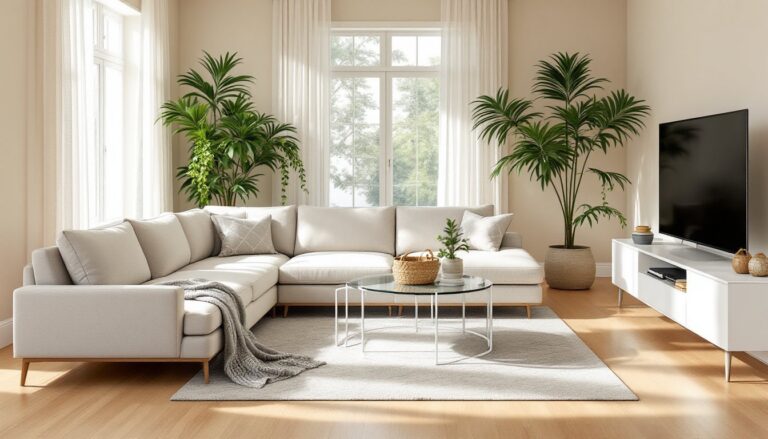
Natural light and mirrors magnify perceived space. Large windows oriented south or west flood interiors with light: tiny homes benefit dramatically from every lumen. Mirrors opposite windows bounce light back and create optical depth, a small but powerful trick.
Color choices matter more in confined spaces. Light, neutral palettes (soft whites, warm grays, natural wood tones) make interiors feel airy. Bold accent walls work if confined to one small zone: otherwise they compress the space visually.
For design inspiration and professional direction, Houzz offers curated tiny home layouts and professional designer consultations showing real-world solutions. You’ll see how others solved similar storage and lighting challenges in similar square footage. These platforms beat generic Pinterest boards because they show build details and material specs, not just aspirational photos.
Consider also how your outdoor space extends living area. A screened porch, deck, or patio becomes extra room in mild weather. Maryland’s spring and fall are long: leverage them.