
Table of Contents
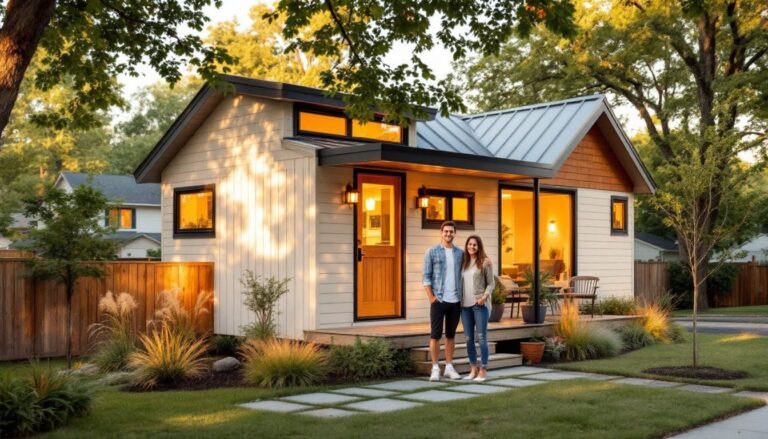
TogglePortland, Oregon has emerged as one of America’s most welcoming cities for tiny home living. With progressive zoning laws, a strong environmental ethos, and a culture that embraces minimalist lifestyles, the Portland metro area offers genuine affordability compared to other West Coast cities. Whether you’re downsizing from a traditional house, seeking to reduce your carbon footprint, or simply want to break free from soaring mortgage payments, tiny homes in Portland provide a practical pathway to homeownership. This guide walks you through what’s available, what it costs, and how to make a compact space work for your daily life.
Key Takeaways
- Tiny homes in Portland, Oregon cost $250,000–$450,000 for new construction and $120,000–$280,000 for used manufactured units, offering genuine affordability compared to other West Coast cities.
- Portland’s 2017 ADU zoning changes made it easier and cheaper to build accessory dwelling units on residential lots, directly spurring the tiny home boom and making the city a top destination for compact living.
- ADUs, manufactured homes, and established tiny home communities each offer different ownership models and lifestyle benefits, from investment income streams to simplified planning through pre-developed neighborhoods.
- Smart design strategies like vertical storage, multipurpose furniture, and maximizing outdoor living space make compact 400–600 square foot homes feel functional and comfortable rather than cramped.
- Inner Southeast Portland offers the highest walkability and urban access, while suburbs like Tigard and rural areas like Yamhill County provide lower costs and more land, with tiny home prices ranging from $180,000–$420,000 depending on location.
Why Portland Is Becoming a Tiny Home Hub
Portland’s reputation for embracing alternative housing solutions isn’t accidental. The city’s 2017 ADU (Accessory Dwelling Unit) zoning changes made it easier and cheaper to build small homes on residential lots, directly spurring a boom in affordable housing development. Local attitudes favor sustainability and community over sprawl, a mindset that naturally aligns with compact living.
The Pacific Northwest’s temperate climate also favors tiny homes. Winters are wet, not brutally cold, so you won’t need expensive HVAC overkill. Summers are mild, reducing cooling costs. Rain and overcast days mean smaller homes feel cozy rather than cramped.
Beyond culture and climate, Portland’s cost-of-living, while rising, still undercuts Seattle and San Francisco. A typical tiny home in the Portland area runs $250,000 to $450,000, steep, but far lower than a conventional house. The city’s job market in tech, healthcare, and creative industries draws young professionals and remote workers who find tiny homes a smart financial move. According to modern real estate trends, tiny house real estate has become a legitimate investment category rather than a niche experiment.
Types of Tiny Homes Available in Portland
Not all tiny homes are alike. Portland’s market includes several distinct housing types, each with different ownership models, costs, and lifestyle implications.
Accessory Dwelling Units (ADUs)
An ADU is a self-contained dwelling, typically 400–800 square feet, built on the same lot as a primary residence. Portland allows ADUs on most residential parcels, and many homeowners are now renting them out or building them for aging parents or adult children. Some ADUs are converted garages or detached studio buildings: others are newly constructed.
ADU ownership works two ways. You might purchase a property with an existing ADU and occupy one unit while renting the other (common investment strategy), or you might build an ADU on land you already own. Both scenarios require navigating Portland’s permit process, expect 2–4 months and $1,500–$3,000 in permit fees. Building codes mandate minimum ceiling heights (usually 7 feet), electrical safety (NEC compliance), and proper egress (emergency exits). If you’re building on an existing lot, a licensed contractor is strongly recommended: many jurisdictions now require inspections at framing, insulation, and final stages.
Tiny house ADU living is especially popular with Portland couples and small families who want to keep a second income stream or care for relatives.
Manufactured and Mobile Tiny Homes
These factory-built homes, often under 400 square feet, arrive mostly complete and are set on permanent or semi-permanent foundations. Portland has several manufactured tiny home communities and allows placement on individual lots. Quality and design vary widely. A used manufactured tiny home might cost $80,000–$150,000: a new one with modern finishes runs $180,000–$350,000.
Manufactured homes depreciate like RVs unless they’re on owned land in an established community. That said, newer models are far more durable and efficient than older mobile homes. Check the roof warranty (15–20 years is standard), insulation R-values (R-19 to R-30 in walls), and whether the unit meets HUD standards. Portland has stricter wind-load and radon mitigation codes than some states, so verify compliance before buying.
For design inspiration and spatial planning strategies, tiny house plans can guide your layout decisions whether you’re customizing an ADU or selecting a prefab model.
Cost Breakdown: What to Expect When Buying in Portland
Tiny home pricing in Portland breaks down into several layers. Don’t assume a lower sticker price means better value, financing terms, land costs, and ongoing fees matter tremendously.
Purchase Price: A custom-built ADU on your land or a new manufactured tiny home typically runs $250,000–$450,000 in the Portland metro. Used manufactured homes and relocatable units drop to $120,000–$280,000. Land costs vary wildly: a lot in close-in Southeast Portland might be $400,000, while fringe suburbs or rural-adjacent areas run $150,000–$250,000.
Financing: Most tiny homes qualify for standard mortgages if they’re on permanent foundations and meet local code. Interest rates are typically 0.25–0.5% higher than conventional 30-year mortgages. Some lenders hesitate on manufactured units or smaller footages: credit unions and specialized lenders (like Tiny Possible or Prescott Mortgage) offer better terms. Expect to put down 10–20% to avoid PMI (private mortgage insurance).
Ongoing Costs: Property taxes in Portland run roughly 0.75–1% of assessed value annually. Utilities for a tiny home average $80–$150/month (gas heating, electricity, water). Homeowners insurance is cheaper than standard homes, typically $600–$1,000/year, because there’s less to insure. ADU communities may charge HOA fees ($100–$300/month) for grounds maintenance and shared amenities.
Hidden costs: Permit and inspection fees, utility connections, and septic or sewer work (if rural) can add $3,000–$10,000 before move-in. Always budget 10% contingency for unforeseen issues.
Large articles on tiny home construction timeline provide realistic expectations for build duration and pacing of expenses.
Design and Decor Tips for Portland Tiny Home Living
Living in 400–600 square feet demands smarter design, not deprivation. The Portland tiny home community has developed proven tricks for functionality and comfort.
Maximize vertical space. Walls are your friend in a tiny home. Floor-to-ceiling shelving, lofted sleeping areas, and suspended storage free up precious square footage. In Portland’s often-cloudy climate, light wood and pale finishes help small interiors feel open. Mirrors and reflective surfaces bounce light without adding bulk.
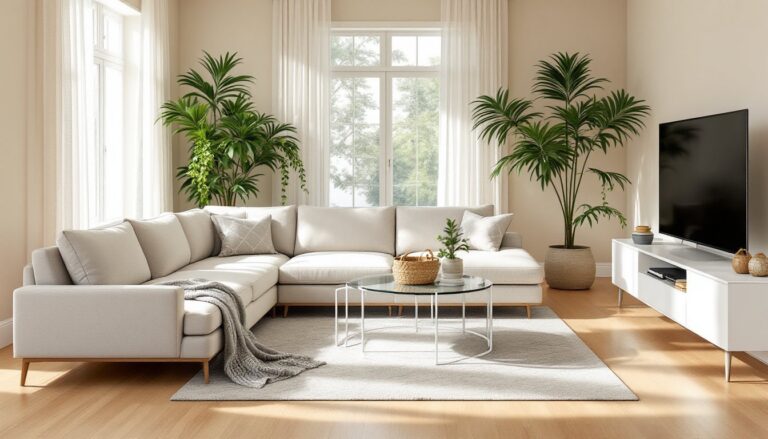
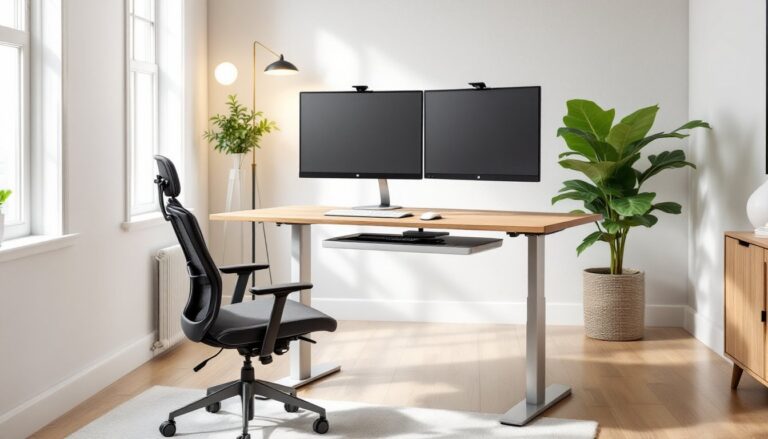
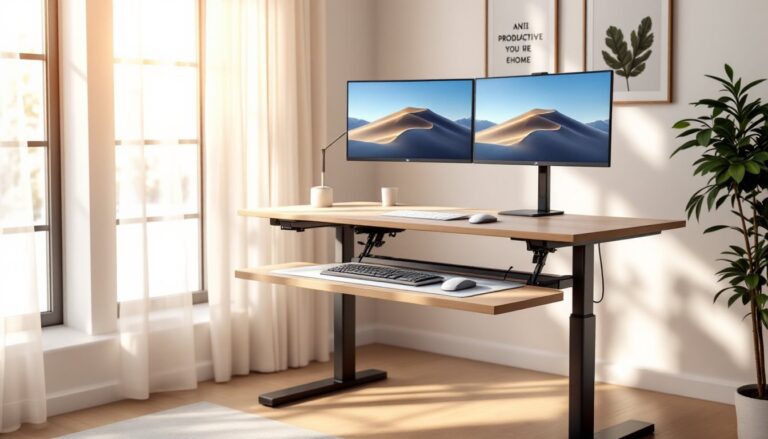
Choose multipurpose furniture. A kitchen island with seating doubles as dining and workspace. Ottoman storage chests substitute for coffee tables. Wall-mounted desks fold away when not in use. Avoid bulky sectionals: instead, opt for a small, high-quality sofa paired with comfortable chairs that can be moved.
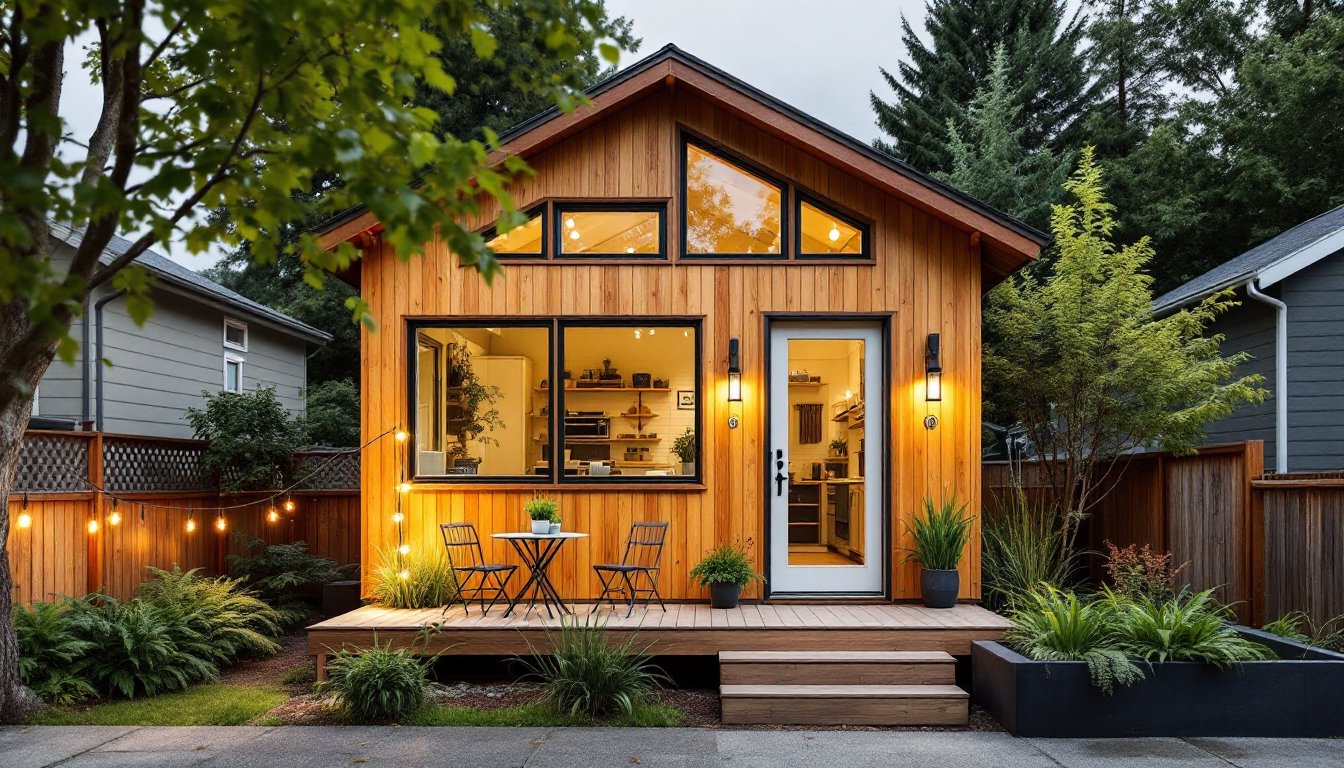
Embrace Portland’s indoor-outdoor living. Many Portland tiny homes include a small patio, deck, or courtyard. Furnish outdoor space as a true extension, weatherproof bistro seating, container gardens, and string lighting expand your effective living area. Modern articles on small-space design at Apartment Therapy showcase budget-friendly, clever solutions that scale down beautifully.
Finish details matter. In compact quarters, every visible surface influences mood. Portland’s aesthetic favors natural wood, exposed brick or shiplap, and neutral tones with pops of color. Quality hardware, good lighting (three light sources per room: ambient, task, accent), and organized storage make a tiny space feel intentional and calm rather than cluttered.
Plan your kitchen ruthlessly. Kitchens in tiny homes are often galley-style with limited counter space. Invest in a quality, organized undermount sink: pull-out shelving: and a compact but powerful appliance set (induction cooktop, 24-inch refrigerator, wall-mounted convection microwave). Glass-front cabinets and open shelving create visual space.
Neighborhoods and Communities for Tiny Home Dwellers
Portland’s best tiny home neighborhoods cluster in specific zones where zoning, culture, and affordability align.
Inner Southeast Portland (Hawthorne, Belmont, Brooklyn) has the highest density of small, older homes and new ADU infill. Walkability is excellent, and transit is reliable. This area attracts young professionals and downsizers. Tradeoff: prices are near the high end ($350,000+).
Northeast Portland (Montavilla, Roseway) offers more space and lower density than inner SE, with established tiny home communities and owner-built ADUs. Walkability is solid: it’s quieter and more family-oriented. Prices run $280,000–$380,000.
Tigard and Lake Oswego (suburbs south of Portland proper) welcome manufactured tiny home communities with dedicated parks. Slower pace, good schools, and significantly lower land costs make these attractive for families and retirees. Expect $200,000–$320,000. You’ll need a car more than in the city.
Newberg and Yamhill County (rural northwest, 30–45 minutes from downtown) have emerging tiny home developments on acreage. Ideal if you want land, garden space, and rural quiet. Prices drop to $180,000–$260,000. Tradeoff: limited walkability and longer commutes.
Established communities like Portland ADU collective and Columbia County Tiny Homes offer pre-developed lots with shared amenities, community events, and built-in social networks. These often appeal to first-time tiny home buyers who want peer support and simplified planning. They typically run $280,000–$420,000 per unit, including land.
Research local zoning before buying. Portland’s code is friendly, but neighboring jurisdictions (Beaverton, Gresham) have different rules. Verify that your intended lot or community meets your city’s standards for primary vs. accessory dwellings.
For inspiration on how others are maximizing compact living, tiny home YouTube channels document real Portland residents’ daily life and renovation projects, offering practical walkthroughs and troubleshooting advice. You can also explore broader tiny homes resources for regional case studies and expert tips.
Externally, publications like Curbed and Dwell regularly cover Portland’s tiny home boom and innovative ADU projects, providing inspiration and market analysis that helps you understand where the trend is heading.
Getting Started: Next Steps
Tiny home living in Portland is achievable and increasingly mainstream. Start by clarifying your priorities: budget, location (walkable vs. rural), and whether you want new construction or an existing unit. Attend open houses in neighborhoods you’re considering. Connect with local tiny home groups and forums, Portland’s community is welcoming and eager to share real experience. Get pre-approved for a mortgage, consult with a real estate agent familiar with ADUs and manufactured homes, and don’t skip the inspection. Portland’s friendly zoning and active market make it one of America’s best places to downsize smartly and affordably.