
Table of Contents
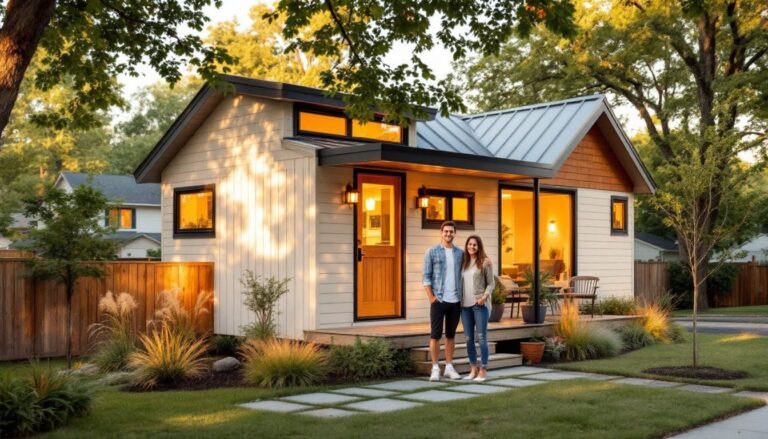
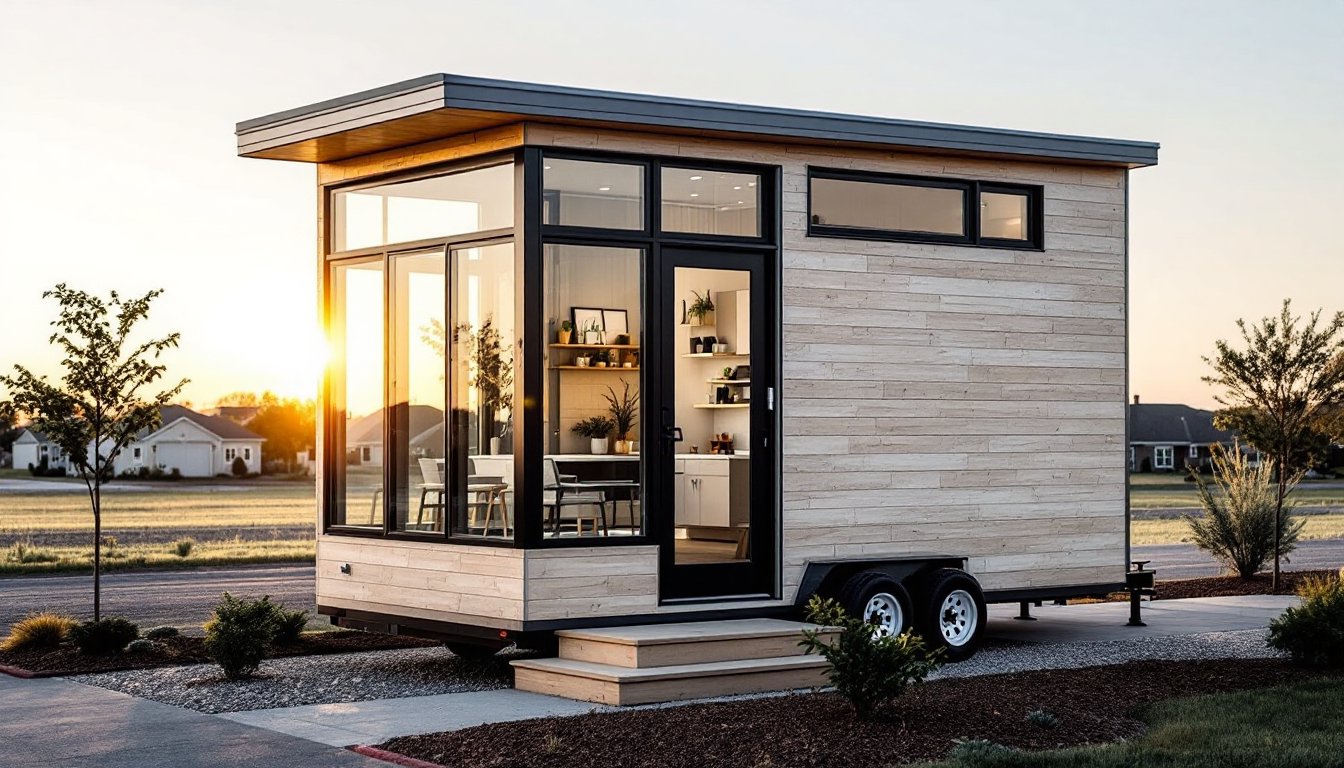
ToggleTiny homes have shifted from fringe movement to mainstream housing solution, and affordability remains their biggest draw. With median home prices climbing nationwide, the appeal of a fully functional home under 400 square feet, often priced between $30,000 and $80,000, speaks for itself. Unlike traditional housing, inexpensive tiny homes strip away square footage waste and redirect savings toward smarter construction and layout. Whether you’re a first-time buyer, downsizer, or investor, understanding what drives tiny home costs and how to maximize your budget unlocks real opportunities. This guide breaks down the financial and practical essentials of tiny home living in 2026.
Key Takeaways
- Inexpensive tiny homes cost significantly less per square foot than traditional houses by reducing material volume, compressing labor timelines, and eliminating unnecessary features like sprawling hallways and oversized garages.
- Factory-built prefab and modular tiny homes offer predictable pricing between $40,000–$120,000 with faster completion times (2–4 weeks), while DIY and container builds can cost as low as $20,000–$35,000 for hands-on owners.
- Smart layout choices—including open floor plans, lofted sleeping areas, and compact utility placement—reduce construction costs while making tiny homes feel larger and more functional.
- Financing options like construction loans, personal loans, and credit union partnerships can help buyers navigate the challenge of conventional mortgages, which often view sub-$50,000 homes as higher risk.
- Vertical storage, light colors, mirrors, and multi-functional furniture maximize perceived space and livability in inexpensive tiny homes without requiring structural modifications or significant additional investment.
- Minimizing HVAC and plumbing complexity—such as installing single-zone heat pumps and clustering wet rooms—delivers substantial savings during the construction phase of budget tiny home projects.
What Makes Tiny Homes So Affordable
Tiny homes cost less per square foot than traditional houses for straightforward reasons. First, materials volume drops sharply, you’re buying less lumber, roofing, siding, and flooring. A 300-square-foot home uses roughly one-sixth the materials of a 1,800-square-foot house. Second, labor costs compress because the project is smaller and often faster to complete. A crew can frame, sheath, and roof a tiny home in days rather than weeks.
Factory construction amplifies savings. Prefab and modular builders work year-round in climate-controlled facilities, eliminating weather delays and waste. They buy materials in bulk, negotiate supplier discounts, and standardize processes. On-site builds still work for budget projects, but they’re vulnerable to weather, theft, and timeline bloat.
Finally, tiny homes skip the costly frills of conventional construction. No sprawling hallways, oversized garages, or formal living rooms. Utility runs are shorter, electrical and plumbing labor shrinks, and HVAC systems are simpler. The result: a livable, code-compliant home without the overhead of conventional housing.
Popular Budget-Friendly Tiny Home Styles
Prefab And Modular Homes
Prefab (factory-built) tiny homes arrive partially or fully completed, slashing on-site labor and timeline. Modular versions ship in sections that bolt together on your foundation, typically completing in 2–4 weeks versus 6–12 months for site-built homes. Costs range from $40,000 to $120,000 depending on finishes and size.
Prefab shines for buyers who want predictable pricing and minimal site-management headaches. Designs are proven: builders have refined every joint and detail across dozens of units. The trade-off: customization is limited to standard options, and delivery logistics can add fees if your lot is rural or difficult to access.
DIY Builds And Container Conversions
DIY tiny homes appeal to hands-on builders willing to invest sweat equity. Starting from a bare trailer or foundation, you source materials, manage subcontractors for electrical and plumbing, and do cosmetic and framing work yourself. Costs bottom out around $20,000–$40,000 if you’re skilled and source reclaimed materials, but mistakes are costly in time and rework.
Shipping container conversions have gained traction as a dramatic option. A 40-foot container costs $3,000–$5,000 and provides 320 square feet. Cutting openings, insulating, and finishing the interior adds $15,000–$30,000, landing you at $20,000–$35,000 total. They’re trendy, sustainable, and offer authentic industrial aesthetics, but thermal bridging at corner welds and limited interior width demand careful design. Shipping container tiny homes exemplify the growing intersection of reclaimed materials and affordable living.
Cost-Saving Design And Layout Tips
Smart layout saves money by reducing material waste and labor hours. Open floor plans eliminate interior walls, trim, and doors, a 300-square-foot space flows kitchen-to-living-to-bedroom without partition expense. This also makes the space feel larger psychologically, offsetting the compact footprint.
Height matters. Lofted sleeping areas or lofted storage reclaim vertical space and cut floor-area demand. A 20-by-15-foot footprint with an 8-foot loft ceiling works harder than a sprawling 25-by-18-foot single-story layout. Standard 8-foot interior ceilings (nominal) keep materials standard: vaulting or cathedral ceilings bump framing complexity and cost without functional gain in a tiny home.
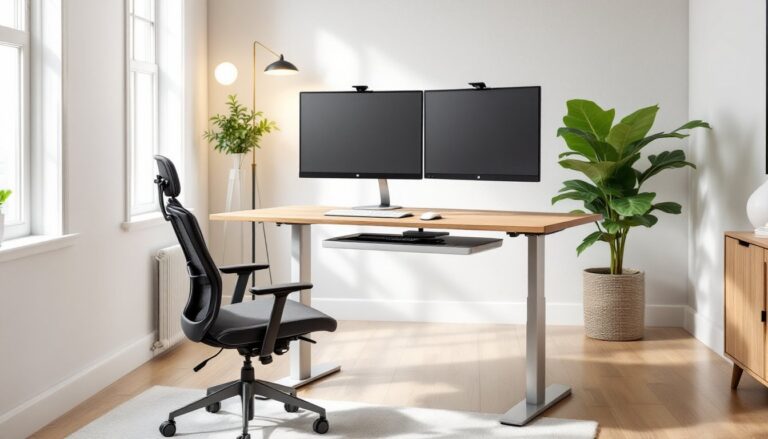
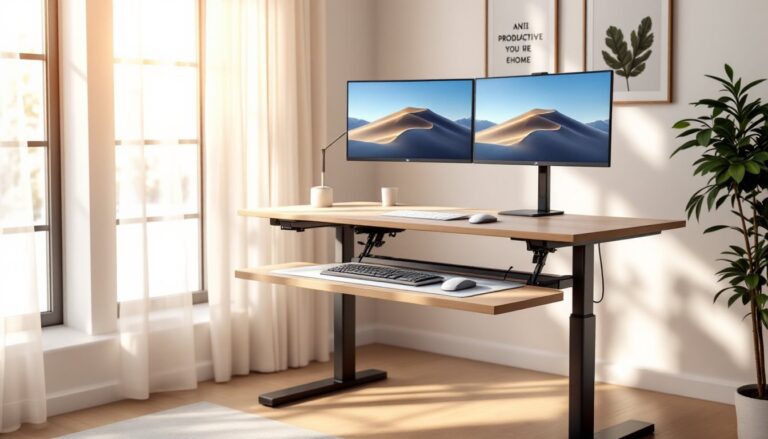
Multi-use furniture and built-in cabinetry replace standalone pieces. Stairs with storage drawers, beds with built-in shelving, and fold-away desks compress wasted space. In DIY builds, framing built-ins yourself costs lumber and fasteners only, far cheaper than buying modular furniture systems. Materials like plywood sheathing, dimensional lumber (2×4 studs, 2×6 joists), and basic hardware dominate budgets: premium trim and finishes come later if desired.
Minimize systems complexity. Radiant heating or in-floor systems look sleek but add cost: a single-zone mini-split heat pump handles most tiny homes efficiently and costs around $2,000–$3,500 installed. Plumbing runs should be compact, wet rooms (kitchen, bathroom, laundry) clustered on one wall cut supply and drain lines dramatically. Water heater capacity can drop from a standard 50-gallon tank to a 30-gallon or even tankless unit, saving installation and utility cost.
Financing Options For Budget Tiny Homes
Conventional mortgages often balk at tiny homes under $50,000 because lenders view them as higher risk and aren’t comfortable with non-traditional construction. But, options exist.
Personal loans and construction loans bridge the gap. Personal loans (typically $5,000–$50,000) carry higher interest rates but no collateral requirement and faster approval. Construction loans fund phased building: you draw funds at completion milestones. Some credit unions and community banks specialize in unconventional lending, shop locally before assuming you’re disqualified.
RV financing works for trailer-based tiny homes (if the unit meets RV standards). Interest rates beat personal loans, but terms run 10–15 years, and the vehicle-classification affects insurance and resale. Seller financing, negotiating a direct deal with the builder, is rare but worth asking about, especially in pre-fab scenarios.
FHA loans occasionally cover modular homes if they’re permanently affixed to a foundation and meet HUD standards. VA loans (if you’re military-eligible) have favorable terms and lower down payments. Always confirm with a lender that the specific tiny home design qualifies before committing to purchase.
Maximizing Space On A Shoestring Budget
Vertical storage dominates budget tiny home design. Floor-to-ceiling shelving, wall-mounted desks, and pegboard systems replace furniture footprint. A wall-mounted folding table costs $50–$150 and vanishes when not in use. Floor space stays open, enhancing livability on a micro footprint.
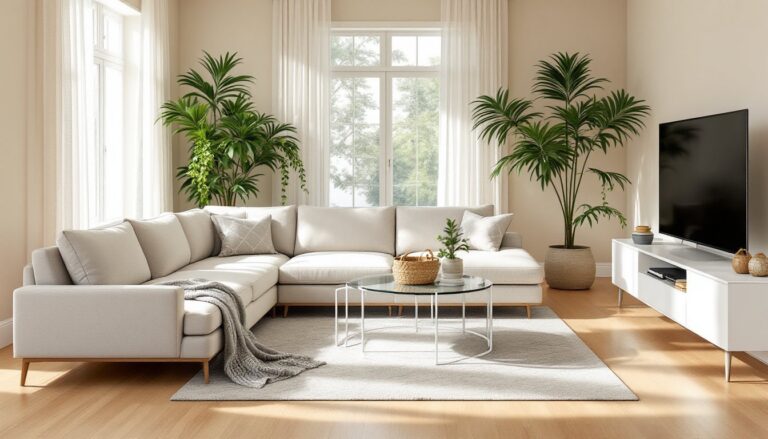
Light colors and mirrors amplify perceived space without cost. White or soft-gray walls, light-colored flooring (engineered hardwood or vinyl plank run $0.50–$1.50 per square foot), and large mirrors create visual expansion. This is pure design leverage, no structural change required.
Natural light and windows maximize daylight and connection to outdoors. Positioning the main living area to face a window or designing clerestory (high) windows costs more upfront but reduces reliance on electric lighting and psychologically enlarges the space. Skylights add $1,000–$2,500 installed but reward compact homes with natural illumination.
Multi-functional rooms blur purpose. A bedroom with a desk becomes a bedroom-office. A closet with a washer-dryer combo handles laundry without a separate utility room. Murphy beds (wall-mounted drop-down beds) cost $1,500–$3,500 but free 100+ square feet of daily living space. Design inspiration from tiny house plans and apartment therapy resources showcases proven layouts that maximize compact footprints. For decor guidance, budget home makeovers and DIY projects offer affordable transformation ideas.