
Table of Contents
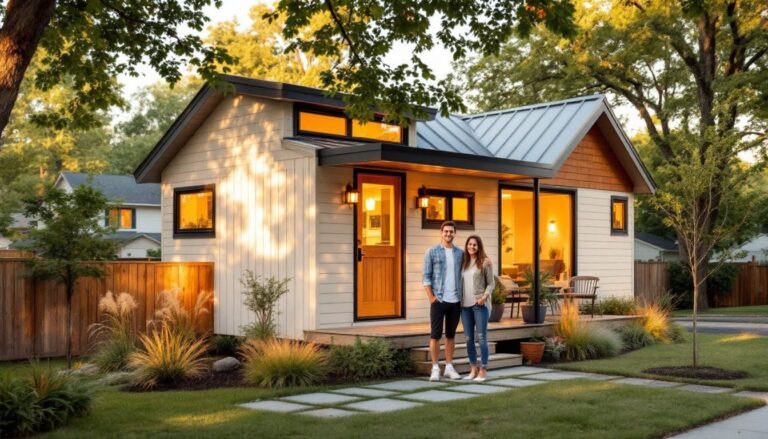
ToggleInterior tiny homes are redefining how people think about comfort and functionality. Whether you’re downsizing to simplify life, reduce expenses, or minimize environmental impact, the challenge remains the same: making every square foot count without sacrificing livability. The good news? Strategic design choices, from furniture selection to color palettes, can transform a compact space into a home that feels surprisingly spacious. This guide walks you through practical, proven solutions that help interior tiny homes deliver comfort, style, and genuine usability for daily living.
Key Takeaways
- Measure rooms and create a scale floor plan before arranging furniture in interior tiny homes to avoid costly rearrangement and maximize functionality.
- Utilize vertical space with tall shelving, wall-mounted cabinets, and ceiling-height storage to create the illusion of more square footage while keeping floors clear.
- Invest in multi-functional furniture like sofa beds, ottomans with hidden storage, and folding desks that genuinely earn their place through practical dual-purpose design.
- Choose light, cool paint colors and implement layered lighting (ambient, task, and accent) to make compact spaces feel larger and more inviting.
- Define zones within open-concept interior tiny homes using area rugs, lighting, and strategic furniture placement to create functional separation without walls.
- Incorporate storage solutions like floating shelves and matching baskets that feel intentional and curated rather than cramped, maintaining both style and organization.
Making The Most Of Limited Space
The foundation of successful interior tiny homes starts with intentional space planning. Before moving in a single piece of furniture, measure your rooms and note architectural features, windows, doors, built-in shelving, electrical outlets, and load-bearing walls. Many DIYers skip this step and end up rearranging repeatedly. A simple floor plan drawn to scale (even on graph paper) saves headaches later.
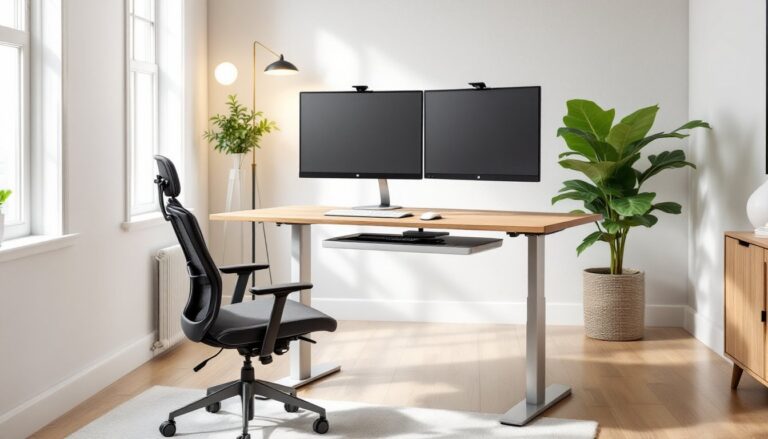
Vertical space is your best friend in compact homes. Instead of spreading furniture horizontally across a room, think upward. Tall bookshelves, wall-mounted cabinets, and ceiling-height storage create the illusion of more square footage while keeping the floor clear. This principle works especially well in bedrooms and home offices where a standard dresser might waste valuable open space.
Zoning is equally critical. Divide your interior tiny homes into functional areas, sleeping, working, dining, relaxing, even when they share the same physical room. Use area rugs, lighting changes, or strategic furniture placement to signal transitions. This mental separation makes the space feel larger and helps each zone serve its purpose without overlap.
Multi-Functional Furniture Essentials
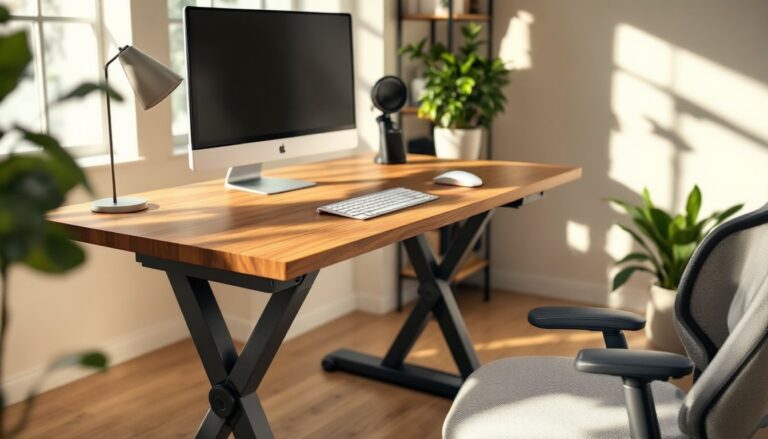
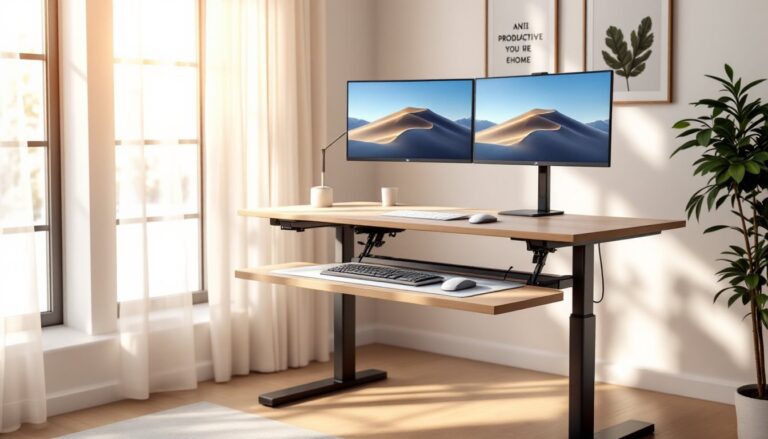
Furniture in interior tiny homes must earn its place. A sofa that converts to a bed, an ottoman with hidden storage, or a desk that folds against the wall aren’t luxury upgrades, they’re necessities. Look for pieces that serve double or triple duty without looking awkward when performing each function.
Sofa beds and sleeper sectionals have evolved far beyond the creaky guest-room staple. Quality variants from established furniture retailers offer genuine comfort in both configurations. A console table (typically 10–14 inches deep) placed behind a sofa can serve as a desk, vanity, or dining surface, depending on the day.
Storage benches at the foot of a bed provide seating, somewhere to store linens or seasonal items, and a visual anchor for the room. Nesting tables let you expand surface area when guests arrive but tuck away when you need floor space. The key: test the transition between modes. If a bed unfolds into an awkward configuration that blocks doorways or forces you to move three other items, it’s not actually multi-functional, it’s just crowded.
Storage Solutions That Don’t Sacrifice Style
Hidden storage often fails because it’s either inaccessible or makes rooms look cluttered. The smarter approach: incorporate storage into your design aesthetic so it feels intentional rather than crammed-in.
Wall-mounted shelving is a quick win. Floating shelves (with concealed brackets) add storage and display surface without the visual bulk of a tall cabinet. In kitchens and home offices, they’re especially effective. Open shelving works best when items are organized, too many random objects will feel chaotic, defeating the purpose.
Under-bed storage boxes, vertical file organizers in closets, and corner cabinets make use of dead space. Closet systems with multiple rods (one for folded items on a shelf, another for hanging clothes) can nearly double usable volume. The design element here is consistency: use matching baskets or bins so storage looks intentional and curated. Resources like Real Simple offer decluttering strategies that pair well with compact storage, storing only what you genuinely use eliminates the need for excess capacity.
Color And Lighting For Spacious Feels
Paint color and lighting are the invisible architects of spatial perception. Light, cool tones, soft whites, pale grays, warm creams, reflect light and make rooms feel larger. Dark accent walls work in interior tiny homes, but use them strategically on a single wall or in a small nook, not throughout the space.
Layered lighting transforms how compact spaces feel. Avoid relying on a single overhead fixture. Instead, combine ambient light (ceiling), task lighting (desk lamp, under-cabinet kitchen strips), and accent lighting (wall sconces, floor lamp). Dimmer switches give flexibility without installing multiple circuits.
Natural light is irreplaceable. If windows are small or few, maximize what you have by avoiding heavy curtains. Sheer panels or lightweight roller shades let light through while maintaining privacy. Mirrors opposite windows bounce light deeper into the room, a classic trick that genuinely works. Colors should support this: glossy finishes reflect light better than matte in small spaces, so consider semi-gloss paint for trim and matte or eggshell for walls.
Layout Strategies For Open-Concept Living
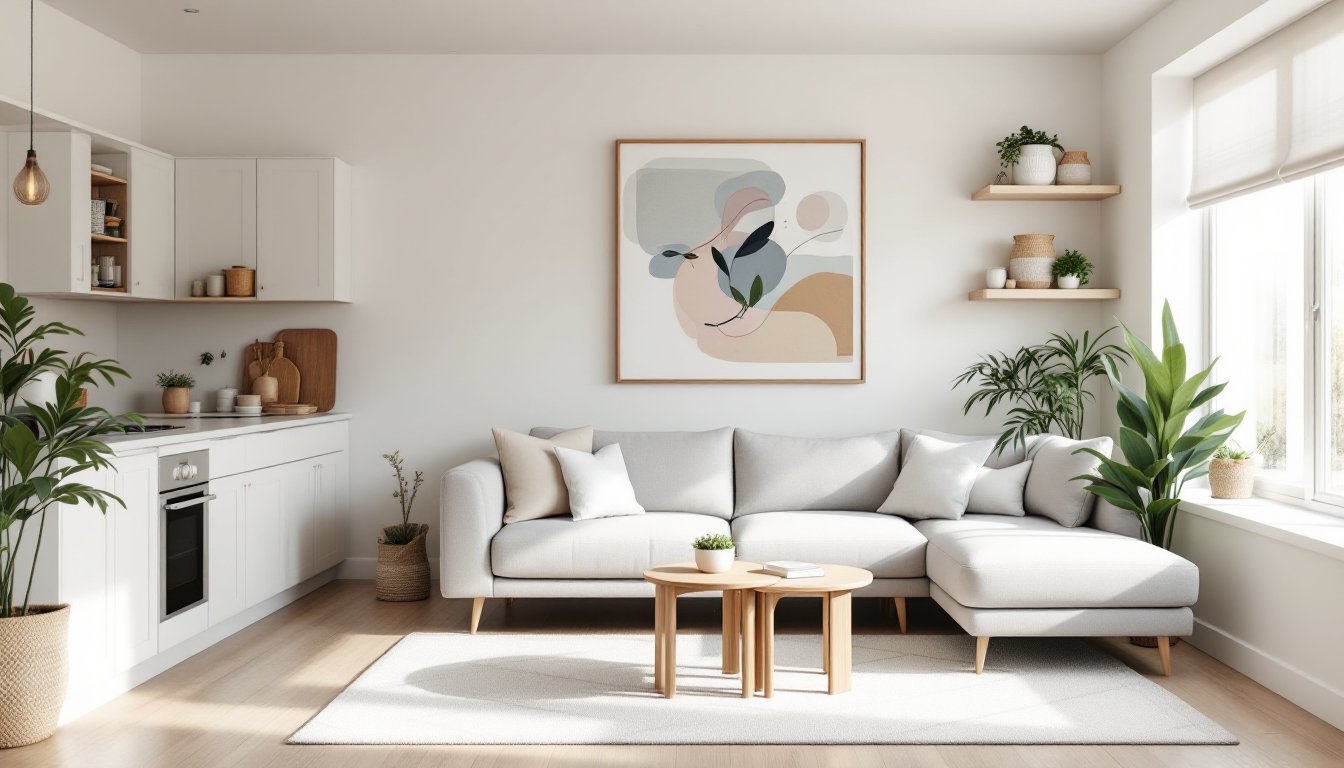
Open-concept interior tiny homes eliminate hallways and separate rooms, trading privacy for perceived space. This layout demands clear traffic flow and defined zones. Furniture placement becomes structural, a bookshelf becomes a room divider, a counter height change separates kitchen from living area.
When rooms merge, visual continuity matters. Flooring should transition smoothly (or use a subtle rug boundary rather than an awkward threshold). A consistent color palette ties zones together, with accent colors highlighting transitions. If your kitchen is open to the living room, ensure the same light fixtures and hardware tie them together visually.
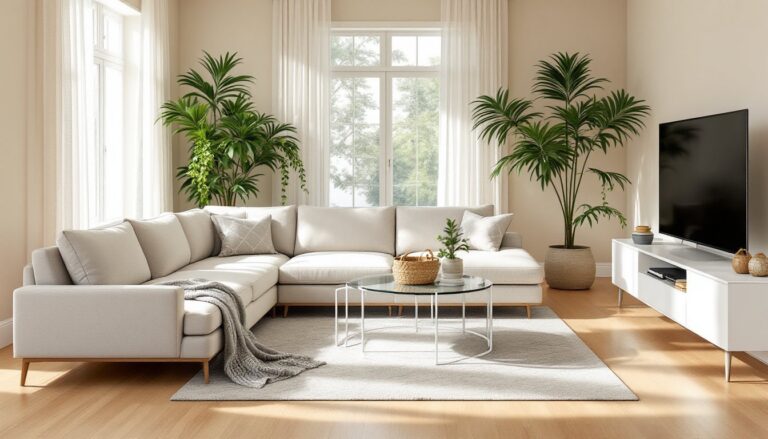
The furniture arrangement itself defines the layout. An L-shaped sofa anchors a living zone, while angled placement creates intimacy without walls. A dining table perpendicular to the sofa flow, rather than parallel, signals a separate function. Traffic patterns should flow naturally, don’t route people through the middle of your bedroom to reach the kitchen. Design tools like floor planning software or even moving cardboard boxes to mock up placement before commitment reduce mistakes.
Personal Style In Compact Spaces
Interior tiny homes don’t mean sacrificing personality. The constraint actually forces more intentional choices, every piece matters, so everything you choose should genuinely excite you.
Art and décor work differently in small spaces. A single large statement piece (an oversized painting, a distinctive mirror, a sculptural light fixture) creates visual interest more effectively than scattered smaller items. Gallery walls can work, but avoid clutter by keeping a consistent frame style or mat color. Plants add life and softness without consuming much space, hanging planters especially.
Personal touches come through in materials and textures. A chunky knit throw, a woven wall hanging, or a unique coffee table become focal points precisely because space is limited. Designers featured on Apartment Therapy excel at this balance, showing how style and function coexist in constrained spaces. Color accents, throw pillows, artwork, a single painted bookshelf, inject personality without overwhelming the senses. The trick is restraint: choose a consistent accent color or palette and stick with it, rather than introducing five unrelated tones that fragment the space.
Conclusion
Interior tiny homes succeed when design works with constraint rather than against it. Vertical thinking, multi-use furniture, thoughtful lighting, and strategic color choices make compact living genuinely comfortable. The real advantage? Every element serves a purpose, eliminating the filler that clutters larger homes. Your space becomes intensely personal because you’ve curated it intentionally. Start with the principles here, measure carefully, and test layouts before committing. The result is a home scaled perfectly to your actual needs.