
Table of Contents
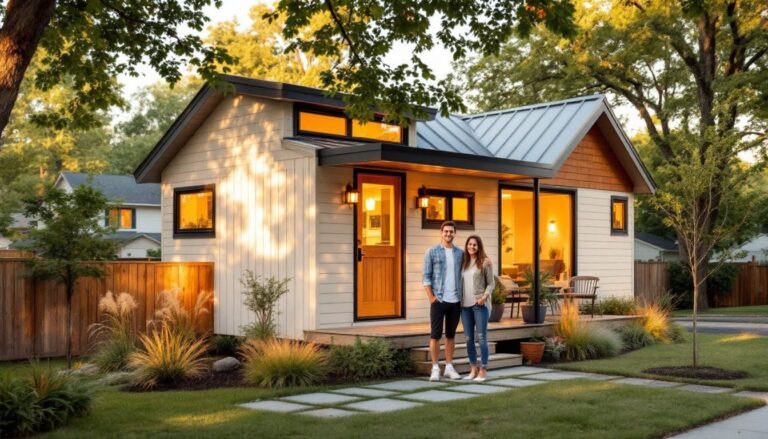
ToggleSustainable tiny homes represent far more than a passing trend, they’re a pragmatic shift toward intentional living. As building costs rise and environmental awareness grows, homeowners and DIY enthusiasts are discovering that smaller doesn’t mean sacrificing comfort or style. A sustainable tiny home combines efficient design, responsible materials, and smart energy systems into a livable space that lightens your footprint without lightening your quality of life. Whether you’re considering a backyard ADU, a full build, or a prefab option, understanding the fundamentals of sustainable tiny home construction and design will help you make informed decisions about this lifestyle shift.
Key Takeaways
- Sustainable tiny homes cost 60–70% less to build and operate than standard U.S. homes while consuming 25–50% less energy, making them an affordable and environmentally responsible housing solution.
- Eco-friendly materials like reclaimed wood, cross-laminated timber, natural insulation, and bamboo flooring significantly reduce embodied energy and long-term maintenance costs in sustainable tiny home construction.
- Passive design strategies—including proper window placement, thermal mass, and cross-ventilation—can reduce HVAC demand by up to 30% before adding any mechanical systems.
- Smart space design with multifunctional furniture, open floor plans, and vertical storage maximizes livability in sustainable tiny homes without requiring additional square footage.
- Permitting, zoning, and local building codes vary significantly by region, so consulting a surveyor and building inspector ($500–$1,500) before design work prevents costly delays and redesigns.
- Testing tiny home living through a 3–6 month rental period before building ensures your lifestyle aligns with compact living and saves you from expensive post-construction regrets.
Why Sustainable Tiny Homes Are Gaining Traction
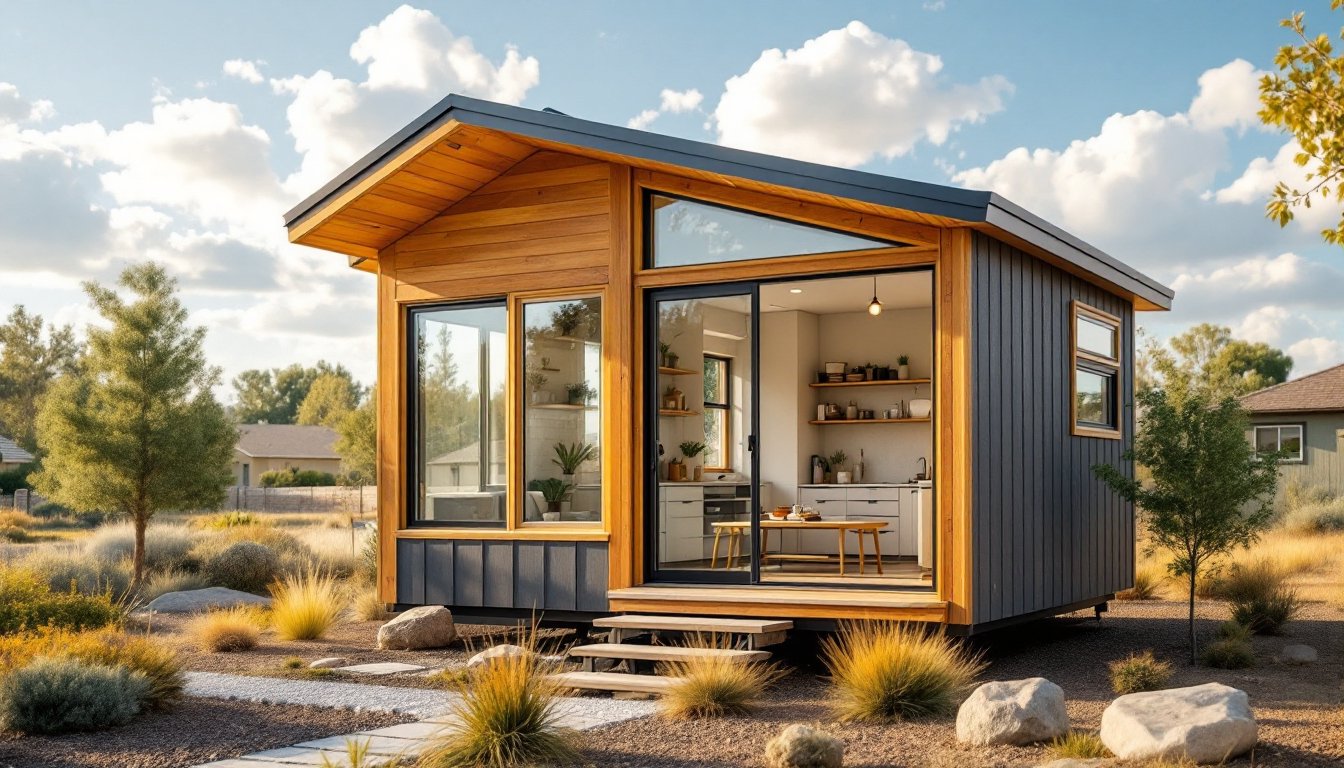
The appeal of sustainable tiny homes stems from three converging forces: affordability, environmental responsibility, and a cultural rejection of excess. A typical tiny home clocks in at 100–400 square feet, roughly a quarter the size of a standard U.S. home, yet it costs 60–70% less to build and operate.
Resource consumption drops dramatically. Heating, cooling, and powering a smaller footprint requires less energy, translating to lower utility bills and reduced carbon emissions over the home’s lifetime. Materials and construction waste shrink proportionally. This efficiency appeals to environmentally conscious owners and budget-conscious DIYers alike.
Permitting and zoning remain the biggest hurdles. Many municipalities still lack zoning codes that accommodate tiny homes, and some homeowners associations resist them. Check your local building department and zoning ordinances before committing to a project. That said, tiny house real estate markets are shifting, with increasing acceptance in progressive municipalities and rural communities seeking affordable housing solutions.
Eco-Friendly Building Materials for Tiny Homes
Selecting the right materials is where sustainability becomes tangible. Each choice affects durability, embodied energy (the energy required to manufacture and transport the material), and long-term maintenance.
Reclaimed and salvaged wood cuts embodied energy by eliminating new forest harvesting and processing. Reclaimed barn siding, flooring, and framing beams add character while reducing waste. Budget $8–$15 per board foot, pricier than new lumber, but worth it for the environmental and aesthetic payoff.
Engineered lumber alternatives like cross-laminated timber (CLT) and laminated veneer lumber (LVL) use waste wood fibers and adhesives to create strong, dimensionally stable products. They’re competitive on cost with dimensional lumber and reduce waste from the mill.
Insulation choices matter deeply. Closed-cell spray foam offers superior R-value per inch but relies on petroleum. Natural alternatives include sheep’s wool, cork, cellulose, and recycled denim. These breathe better, handle moisture more forgivingly, and cost roughly the same when factoring in labor. For a 200-square-foot tiny home, expect $1,500–$3,000 in total insulation, depending on climate zone and material choice.
Flooring options range from FSC-certified hardwood to bamboo (a rapidly renewable grass) to recycled composite vinyl plank. Bamboo offers durability (harder than most hardwoods), eco-credentials, and a mid-range price of $3–$8 per square foot installed. Avoid cheap laminate with high formaldehyde off-gassing in a tiny space where air quality matters.
Energy Efficiency and Off-Grid Solutions
Energy performance is where tiny homes truly shine. A well-designed tiny home can operate on 25–50% of the energy a standard home consumes, even without going fully off-grid.
Passive design is free. Proper window placement, thermal mass (concrete or stone that absorbs and releases heat), and ventilation strategy reduce heating and cooling loads before any mechanical system kicks in. South-facing windows in winter, shaded in summer, can cut HVAC demand by 30%.
Air sealing and vapor barriers prevent energy-sapping drafts and moisture problems. Use weatherstripping, caulk, and house wrap on all exterior seams. A blower door test ($300–$500) identifies leaks before they become expensive problems. Aim for less than 5 air changes per hour at 50 pascals of pressure, standard for energy-efficient homes.
Solar integration is practical for tiny homes. A 3–5 kW rooftop system costs $8,000–$15,000 after incentives and can eliminate grid reliance in sunny regions. Battery storage (Tesla Powerwall or similar) adds $10,000–$15,000 but enables true off-grid operation. For part-time or supplemental solar, smaller 1–2 kW systems work fine and cost $3,000–$6,000.
Heat pumps replace traditional furnaces and air conditioners. Mini-split systems are ideal for tiny homes, they’re efficient, ductless, and provide both heating and cooling. Expect $2,500–$5,000 installed for a single zone, and they qualify for federal tax credits up to 30% of cost.
Thermostatic controls matter in tight spaces. A programmable or smart thermostat prevents overheating and maintains comfort while minimizing energy waste.
Smart Space Design for Sustainable Living
Sustainable living isn’t just about materials and energy, it’s about designing a home that actually works for its occupants without waste or frustration.
Multifunctional furniture and storage are non-negotiable. Every square foot must earn its keep. Built-in benches with storage underneath, murphy beds, fold-down desks, and kitchen islands with drawers reduce the need for separate, single-purpose pieces. Custom built-ins cost $50–$150 per linear foot but eliminate wasted floor space.
Open floor plans maximize perceived space and improve natural ventilation. Avoid interior walls between living, dining, and kitchen zones. Instead, use different ceiling heights, flooring materials, or partial shelving to define zones without blocking air or light flow.
Vertical storage is the tiny home mantra. Floor-to-ceiling shelving, pegboards, wall-mounted racks, and overhead cabinets transform blank walls into utility without occupying precious floor space. Plan storage during design, not as an afterthought.
Maximizing Natural Light and Ventilation
Window placement and size directly impact both sustainability and livability. Larger windows reduce daytime lighting needs, cutting electricity use. North-facing windows provide diffuse, stable light without excessive heat gain. South-facing windows (in the Northern Hemisphere) capture passive solar heat in winter and should include overhangs or exterior shading for summer.
Skylights and light tubes bounce natural light deep into interior spaces. A solar tube (also called a sun tunnel) costs $400–$800 installed and provides surprising brightness without structural complexity.
Cross-ventilation relies on placing windows and doors on opposite walls to create air movement. In mild seasons, this eliminates mechanical cooling entirely. Operable windows, doors, and vents should account for at least 5% of floor area for effective natural ventilation.
Interior colors and finishes amplify natural light. Whites, light grays, and pale neutrals reflect available light, making small spaces feel larger and brighter. This is not Pinterest filler, it’s physics. A light color palette reduces artificial lighting needs by 20–30%.
Consider tiny house style options that balance aesthetics with light-reflective finishes. Glossy or semi-gloss paint bounces light: matte absorbs it. In a compact space, the difference is noticeable on your electricity bill.
Practical Tips for Building or Buying a Sustainable Tiny Home
Start with your site and climate zone. Sustainable design varies dramatically by region. A tiny home in Maine needs different insulation, window orientation, and heating strategy than one in Arizona. Your local building code and climate data drive material and system choices. Check IRC (International Residential Code) requirements for your area: energy codes differ by state.
Decide: build or buy. Prefab options like shipping container tiny homes offer speed and quality control but less customization. Custom builds take 6–18 months but fit your exact needs. Understanding the tiny home construction timeline helps set realistic expectations and budgets.
Plan for permits early. Even if your jurisdiction accepts tiny homes, zoning, setback, and foundation requirements differ from standard houses. Hire a local surveyor and building consultant ($500–$1,500 combined) to confirm feasibility before design work begins. It’s cheap insurance against costly redesigns.
Use modular or kit suppliers if building yourself. Companies offering tiny house plans with pre-cut materials, detailed drawings, and supplier lists streamline the process. Expect to save 15–20% on labor compared to custom stick-frame construction, though learning curves apply.
Prioritize three systems: insulation, air-sealing, and mechanical efficiency. These three choices determine long-term operating costs and comfort more than any aesthetic decision. A cheap, poorly insulated tiny home becomes a regret: a well-built one is a dream.
Test before committing. If possible, rent or spend time in a tiny home before building. Lifestyle fit matters enormously. Storage issues, cooking limitations, and lack of guest space frustrate some people. Renting for 3–6 months is cheaper than discovering incompatibility after a $150,000 build.
Connect with the community. Online forums, local meetups, and YouTube channels dedicated to tiny living offer real-world insights. Visiting completed homes and talking to owners reveals pitfalls that planning software misses. Tiny home YouTube channels provide tours and honest reviews.
Conclusion
Sustainable tiny homes marry practicality with purpose. They’re not for everyone, but for those seeking affordability, low environmental impact, and intentional living, they deliver on all three fronts. Success depends on honest assessment of your lifestyle needs, respect for local codes, careful material selection, and investment in efficiency systems that pay dividends for decades. Start small, plan thoroughly, and build with confidence.