
Table of Contents
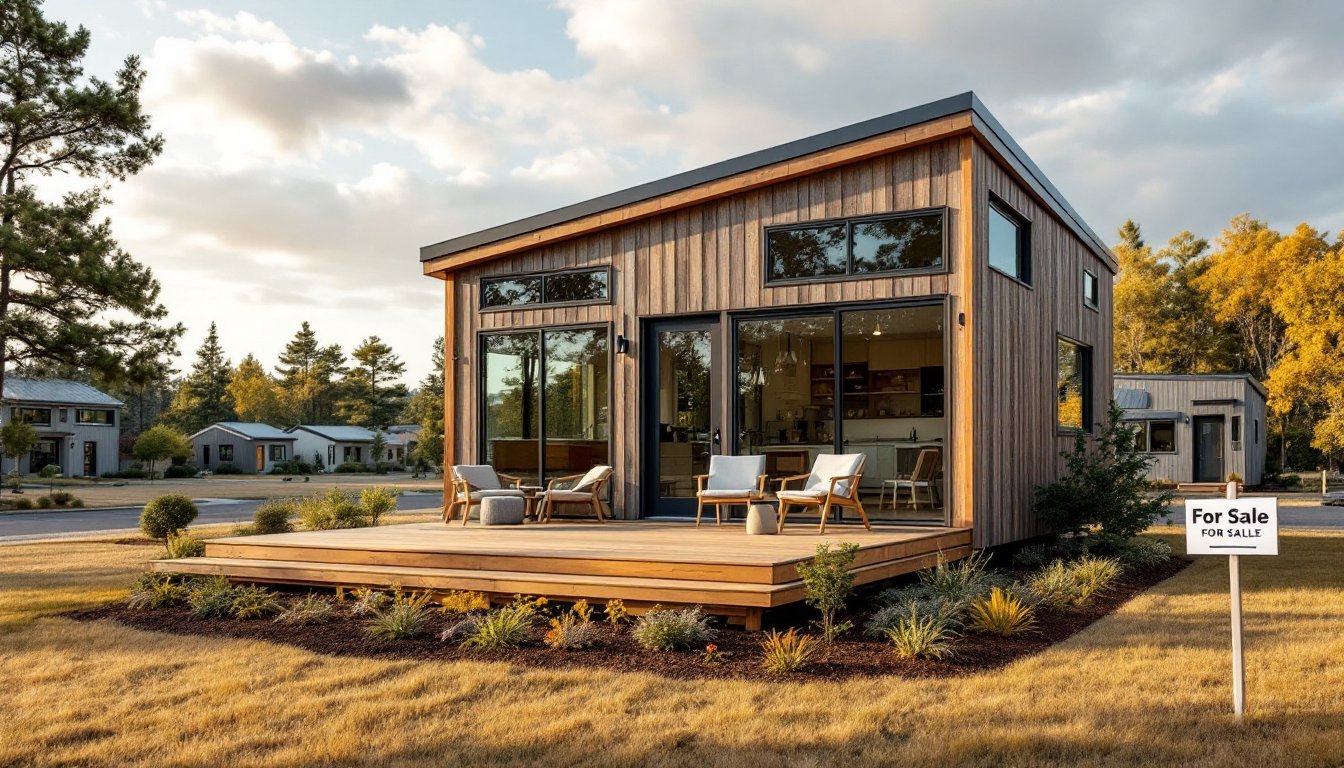
ToggleThe tiny home market has exploded over the past few years, and 2026 marks a turning point where tiny homes for sale are no longer a fringe alternative, they’re a legitimate financial and lifestyle choice for thousands of Americans. Whether driven by rising housing costs, environmental concerns, or simply the desire for a simpler life, potential buyers are seriously exploring compact living options. This guide walks you through what makes tiny homes attractive, where to find them, what to evaluate before committing, and how to finance your purchase. If you’re considering joining the tiny home movement, you’ll find practical insights here to help you make an well-informed choice.
Key Takeaways
- Tiny homes for sale are now a mainstream financial choice, costing $30,000–$60,000 versus $400,000+ for traditional homes, making them accessible for buyers priced out of conventional housing markets.
- Check local zoning laws and ADU regulations before purchasing, as tiny homes exist in legal gray zones in many jurisdictions and may be restricted or banned in your area.
- Most tiny home buyers use cash purchases or specialized lenders like Triad Lenders and credit unions, as traditional banks often avoid properties under 400 square feet due to appraisal challenges.
- Locate tiny homes through mainstream platforms like Zillow and Realtor.com, specialized sites like Tiny House Listings, or directly from builders like Boxabl and intentional communities in growth areas like Austin and Portland.
- Evaluate whether you’ll own the land or rent a lot in a community, as this significantly impacts equity building, resale potential, utility infrastructure needs, and long-term affordability.
- Factor in 10% contingency for unexpected costs including site preparation, permits, hookups, and inspections ($5,000–$15,000 total) to avoid financing surprises.
What Makes Tiny Homes an Attractive Investment Today
Tiny homes have shifted from novelty to necessity in many markets. The average tiny home costs between $30,000 and $60,000 (though luxury or custom builds can exceed $100,000), compared to the median U.S. home price hovering around $400,000. That affordability gap alone attracts buyers who can’t qualify for traditional mortgages or who are drowning in debt.
Beyond cost, tiny homes offer genuine lifestyle benefits. Lower utility bills, reduced maintenance responsibilities, and minimal clutter appeal to people seeking less complexity. Many tiny home owners report better work-life balance simply because they’re spending less time and money on house upkeep. There’s also the environmental angle: a 400-square-foot home uses far less energy, water, and materials than a sprawling suburban house.
Financially, tiny homes can appreciate like traditional real estate, especially in markets where land is scarce or where they’re part of an intentional community. Some buyers purchase tiny homes as investment properties, renting them out through platforms that cater to the minimalist traveler segment. Whether you view it as a personal residence or income-generating asset, the math works for the right buyer in the right location.
Where to Find Tiny Homes For Sale
Online Marketplaces and Real Estate Platforms
The most straightforward approach is to search mainstream real estate sites. Zillow, Realtor.com, and Trulia all allow you to filter by square footage, typically anything under 600 square feet qualifies as tiny. You’ll find both owner-built custom homes and production models. A good starting point is Tiny House Real Estate:, which specifically addresses the nuances of small-space purchasing.
Specialized sites like Tiny House Listings and Land and Tiny House operate like MLS equivalents just for compact homes. They connect buyers directly with sellers and builders in your region. National marketplaces like Facebook Marketplace and Craigslist also host listings, though you’ll need to vet sellers carefully, no escrow protection, no realtor mediation, and higher fraud risk.
Specialized Tiny Home Builders and Communities
Builders like Boxabl, Blokable, and smaller regional companies offer turnkey solutions. You get a warranty, professional construction standards, and usually site delivery included. Many builders offer financing partnerships, which simplifies the lending process compared to buying used or from private sellers.
Intentional communities and tiny home parks (like those sprouting up in Austin, Portland, and North Carolina) often have dedicated sales channels or waiting lists. Living in a community means shared amenities, established utilities, and often HOA support, but also HOA fees and deed restrictions. Some communities are land-trust models where you own the home but lease the lot, which can lower your entry cost but complicates resale.
Key Factors to Consider Before Buying
Zoning and legal status matter more than most buyers realize. Many tiny homes exist in a gray zone: they’re legal in some jurisdictions under accessory dwelling unit (ADU) rules, but outright banned or heavily restricted in others. Check your city’s zoning code before falling in love with a property. An ADU guide can help clarify regulations if you’re considering one as a rental or investment.
Financing and appraisal challenges are real. Banks struggle to value homes under 600 square feet because there’s limited comparable sales data. You may need to shop around, some credit unions and alternative lenders specialize in tiny home loans. Be prepared for higher interest rates or larger down payments (often 20-30%) than traditional mortgages.
Lot size and land ownership determine whether you’re truly building equity. Renting a lot in a community means monthly fees and no claim to the underlying land. Owning the land gives you stability and appreciation potential, but you’ll pay more upfront and handle property taxes yourself.
Utility infrastructure varies wildly. Some tiny homes use standard municipal connections (water, sewer, electric grid). Others rely on well water, septic systems, solar, or composting toilets, all of which require maintenance expertise or professional servicing. Factor in these ongoing costs and your willingness to manage them.
Resale potential depends on location and market maturity. A tiny home in a booming Austin community will likely appreciate. The same home parked in a rural lot with spotty utilities may be difficult to sell later. Talk to local realtors about absorption rates and buyer pools before committing.
Financing and Cost Breakdown for Tiny Home Purchases
Traditional mortgage lenders often shy away from tiny homes under 400 square feet because they fall below lending guidelines. This doesn’t mean financing is impossible, it’s just nontraditional.
Cash purchases are most common among tiny home buyers. If you have savings, paying cash eliminates appraisal hassles and closes quickly. No interest payments, no monthly mortgage stress, and you own outright from day one.
Specialized tiny home lenders (e.g., Triad Lenders, Bank of America’s Tiny Home Program) understand the market and will finance homes if you meet credit requirements. You’ll typically need a down payment of 20-25% and may face rates 0.5-1% higher than conventional mortgages.
RV loans are an alternative if the home is built on a trailer chassis and classified as personal property rather than real property. These loans are easier to obtain but carry higher rates and shorter terms (10-15 years vs. 30 years).
Cost breakdown example: A $50,000 tiny home with 20% down ($10,000) financed at 6.5% over 20 years costs roughly $320/month in principal and interest, plus property taxes, insurance, utilities, and maintenance reserves. Compare that to an average apartment rent of $1,500+/month, and the economics become clearer, though only if you’re planning to stay put for several years.
Factor in unexpected costs: site preparation, permits, utility hookups, and initial furnishings can add $5,000-$15,000. Inspection and appraisal fees run $500-$800. Budget conservatively and assume 10% contingency for surprises. Resources like homes currently available for purchase can help you see what’s on the market and in what price range right now.
Conclusion
Buying a tiny home in 2026 is feasible and increasingly mainstream, but it requires assignments. The combination of affordability, lower operating costs, and lifestyle appeal makes tiny homes attractive, yet zoning restrictions, financing quirks, and resale uncertainty demand careful evaluation. Start by understanding your local regulations, getting pre-approved through a lender familiar with tiny homes, and visiting communities or models in person. Walk through the space at different times of day, talk to current owners, and ask tough questions about utilities and maintenance. Done right, a tiny home purchase becomes less about trendy minimalism and more about genuine financial freedom and intentional living.