
Table of Contents
ToggleChattanooga’s real estate market is heating up, and tiny homes are leading the charge. Whether you’re looking to downsize, invest wisely, or embrace a minimalist lifestyle, the market for tiny homes in Chattanooga offers surprising variety and opportunity. The city’s blend of affordability, growing infrastructure, and active DIY community makes it an ideal testing ground for compact living. This guide walks you through what’s available right now, where to look, how to finance your purchase, and what customization options you have to make a tiny home truly yours.
Key Takeaways
- Tiny homes for sale in Chattanooga range from $80,000 to $200,000+, making them an affordable option for downsizers and investors in a market with no state income tax and reasonable property costs.
- Top neighborhoods for tiny homes include North Shore for walkability, East Brainerd and Ooltewah for affordability and land, and rural townships like Hixson for seclusion and lower costs.
- Financing tiny homes requires special attention to appraisal challenges and lender flexibility, with many buyers finding credit unions and regional banks more accommodating than national institutions.
- Interior customization options like Murphy beds, efficient finishes, and outdoor extensions can be negotiated before purchase or completed post-sale to maximize functionality in compact spaces.
- Working with a realtor experienced in tiny homes is essential to navigate zoning regulations, specialized appraisals, and community-specific financing requirements that general agents may not understand.
What Makes Chattanooga an Ideal Tiny Home Market
Chattanooga isn’t just jumping on the tiny home trend, the city’s fundamentals align perfectly with this lifestyle shift. The region sits at the crossroads of affordability and livability: median land costs are lower than comparable Southern metros, yet neighborhoods boast walkable districts, excellent outdoor access, and a thriving maker community.
The Tennessee tax environment is favorable for homeowners. There’s no state income tax, and property taxes remain reasonable compared to national averages. Utilities in Chattanooga are typically affordable, thanks to TVA power generation. For tiny home owners watching their monthly footprint, that matters.
Beyond financials, Chattanooga’s culture celebrates hands-on living. The city hosts a robust DIY scene, from makerspaces like the Chattanooga area workshops to active real estate forums where buyers and builders share intel. If you want to customize your tiny home or connect with others doing the same, the ecosystem supports it. Recent home improvement trends show that compact living in walkable neighborhoods is reshaping buyer priorities, and Chattanooga sits at the center of that shift.
Current Tiny Home Inventory and Availability in Chattanooga
Inventory for tiny homes in Chattanooga is modest but growing. As of early 2026, you’ll find listings scattered across the greater metro, some move-in ready, others requiring finishing work or interior customization.
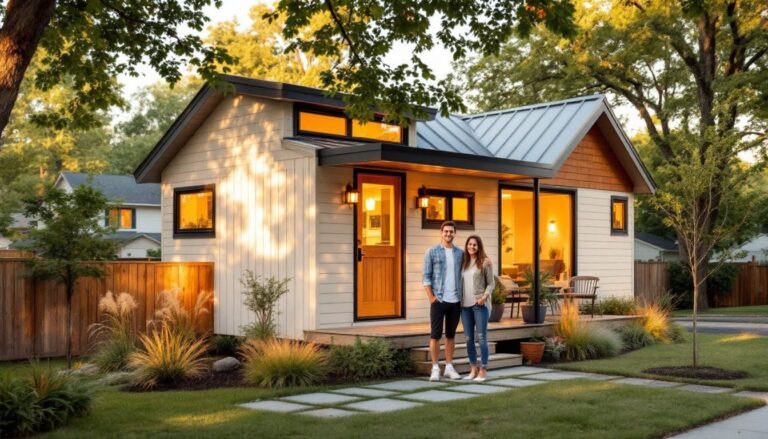
Most available units fall into two categories: prefabricated tiny homes (typically 300–400 square feet) and custom-built structures on individual lots. Prices range from around $80,000 for basic prefab models to $200,000+ for high-end custom designs with premium finishes and site amenities. These variations depend heavily on location within or around the city proper, foundation type, utilities hookup, and whether land is included.
Availability fluctuates. Listings on Zillow, Redfin, and specialized tiny home marketplaces change weekly. Many sellers are individual builders or small developers testing the market, so communication directly with agents familiar with the niche is valuable. Look for agents who’ve closed tiny home sales, they know the quirks of financing, zoning, and appraisals in ways generalist agents don’t. Check specialized platforms like Tiny Home Listings and Facebook groups dedicated to Chattanooga real estate for emerging inventory before it hits mainstream sites.
Key Neighborhoods and Communities Offering Tiny Homes
Several Chattanooga neighborhoods have become hotbeds for tiny home development.
North Shore is the top draw. This walkable district near the river includes lofts and smaller residential projects. While most units are modest apartments, some developers are introducing tiny home-style living here.
East Brainerd and Ooltewah suburbs offer more land and lower entry prices. Tiny homes here often sit on private lots, giving owners more customization freedom and outdoor space. You’ll find prefab communities and individual builds scattered through these areas.
Southside neighborhoods like St. Elmo and the Avenues have emerging micro-communities. Several local developers are targeting the affordable housing gap with tasteful tiny home clusters. These offer more sense of community than isolated single-lot homes.
Rural townships (Hixson, Soddy-Daisy, and Signal Mountain) attract buyers seeking land and seclusion. Tiny homes here benefit from lower land costs and fewer density restrictions. Be aware: infrastructure and utilities vary. Some areas require septic systems or well drilling, costs and maintenance differ from city utilities.
Research zoning carefully. Chattanooga’s zoning code defines accessory dwelling units (ADUs) and minimum lot sizes. Some zones allow tiny homes as primary residences: others restrict them. Your realtor or the city planning office can clarify. Geographic preference often depends on whether you prioritize walkability, privacy, land ownership, or cost savings.
Financing and Budget Considerations for Tiny Home Purchases
Financing a tiny home isn’t identical to financing a traditional house, and that requires honesty upfront.
Appraisal challenges are real. Because tiny homes represent a smaller percentage of the market, comparable sales data is thinner. Appraisers may struggle to justify prices if recent comps are scarce. Some lenders require a specialized appraisal or demand extra documentation. This isn’t a dealbreaker, but it can delay closing by 1–2 weeks and sometimes cost extra.
Loan qualification varies by lender. Conventional mortgages typically require a minimum loan amount of $50,000 to $75,000 (varies by bank). If your tiny home purchase is below that, you may need a personal loan, a construction loan, or a cash offer. Credit unions often have more flexibility than large banks.
Manufactured home financing applies if your tiny home is built on a permanent foundation in a subdivision or community. RV-style financing (higher rates, shorter terms) applies to mobile tiny homes. Know the difference before shopping for rates.
Budget beyond the purchase price: Property taxes, insurance, homeowner association fees (if applicable), utilities, and maintenance. Tiny homes often cost less monthly, but don’t assume zero expenses. A home inspection is non-negotiable, tiny homes have tighter systems where a single failure can be costly.
Talk to lenders early. Get pre-approved for the dollar range you’re targeting. Many Chattanooga credit unions and regional banks have experience with tiny home loans: start there before approaching mega-banks. Shipping Container Tiny Homes explore innovative financing and material choices that some buyers overlook.
Customization and Interior Design Opportunities
One of the biggest appeals of buying a tiny home is the chance to customize it exactly. Most sellers expect buyers to add personal touches.
Interior layout is often negotiable before purchase closes. If you buy a stock floor plan, ask whether the builder can adjust wall placement, kitchen position, or bedroom size. Many prefab manufacturers offer 2–3 layout variants at no or low upcharge. Changing layouts after delivery costs significantly more.
Finishes and systems are where DIYers thrive. Paint, flooring, lighting, and cabinet hardware are straightforward upgrades. Flooring choices matter in tiny spaces, light, durable materials like luxury vinyl plank or polished concrete open up rooms visually. Cabinetry often runs wall-to-wall in tiny homes: choosing light finishes and avoiding upper cabinets in certain areas creates breathing room.
Murphy beds, murphy desks, and fold-down tables maximize functionality. These aren’t cosmetic, they define usability. If your tiny home doesn’t include built-in multifunctional furniture, budget for custom carpentry or modular pieces.
Outdoor extension is critical. A tiny home with a deck, patio, or pergola effectively extends living space. Deck construction, gravel patios, or raised garden beds are manageable DIY projects that transform the experience. Tiny Home for Singles discusses layout and personalization strategies tailored to compact living.
Utility upgrades like high-efficiency mini-split HVAC systems, tankless water heaters, or smart thermostats reduce operating costs. Some are retrofit-friendly: others require coordination during build. Ask the seller or builder which systems are already installed and what’s user-upgradeable.
Next Steps: Finding and Purchasing Your Chattanooga Tiny Home
Ready to move forward? Start with these concrete steps.
Step 1: Get pre-approved. Contact a local lender or credit union familiar with tiny home financing. Know your budget range and loan limits before you start house hunting.
Step 2: Hire a realtor with tiny home experience. A general realtor can list properties, but one experienced in this niche understands zoning, appraisal nuances, and community dynamics. Ask for references from past tiny home buyers.
Step 3: Scout neighborhoods. Visit areas where inventory exists, North Shore, East Brainerd, Southside clusters. Spend time there. Check walkability, utility access, and local services.
Step 4: Request inspections and documentation. Before making an offer, confirm the home meets building codes, has proper permits, and passes inspection. Tiny homes occasionally slip through permitting cracks: thorough vetting avoids future legal headaches.
Step 5: Negotiate customization. If buying a stock unit, lock in any layout or finish changes in the purchase agreement before funds are committed.
Step 6: Understand the closing timeline. Prefab tiny homes have manufacturing lead times (6–12 weeks). Custom-built homes require site work. Budget extra time compared to traditional real estate closings.
Chattanooga’s tiny home market is approachable and honest. Sellers and builders here generally stand behind their work. Use that to your advantage, ask hard questions, demand transparency, and don’t rush. Curbed and design platforms showcase what’s possible in compact living, which can inspire your own choices as you narrow options.
Conclusion
Buying a tiny home in Chattanooga is a smart financial move paired with a lifestyle upgrade. The market is real, the neighborhoods are solid, and financing is achievable if you approach it strategically. Take time to align your budget, customize for your needs, and work with advisors who understand the niche. Your next home, smaller, simpler, and perfectly yours, is within reach.