
Table of Contents
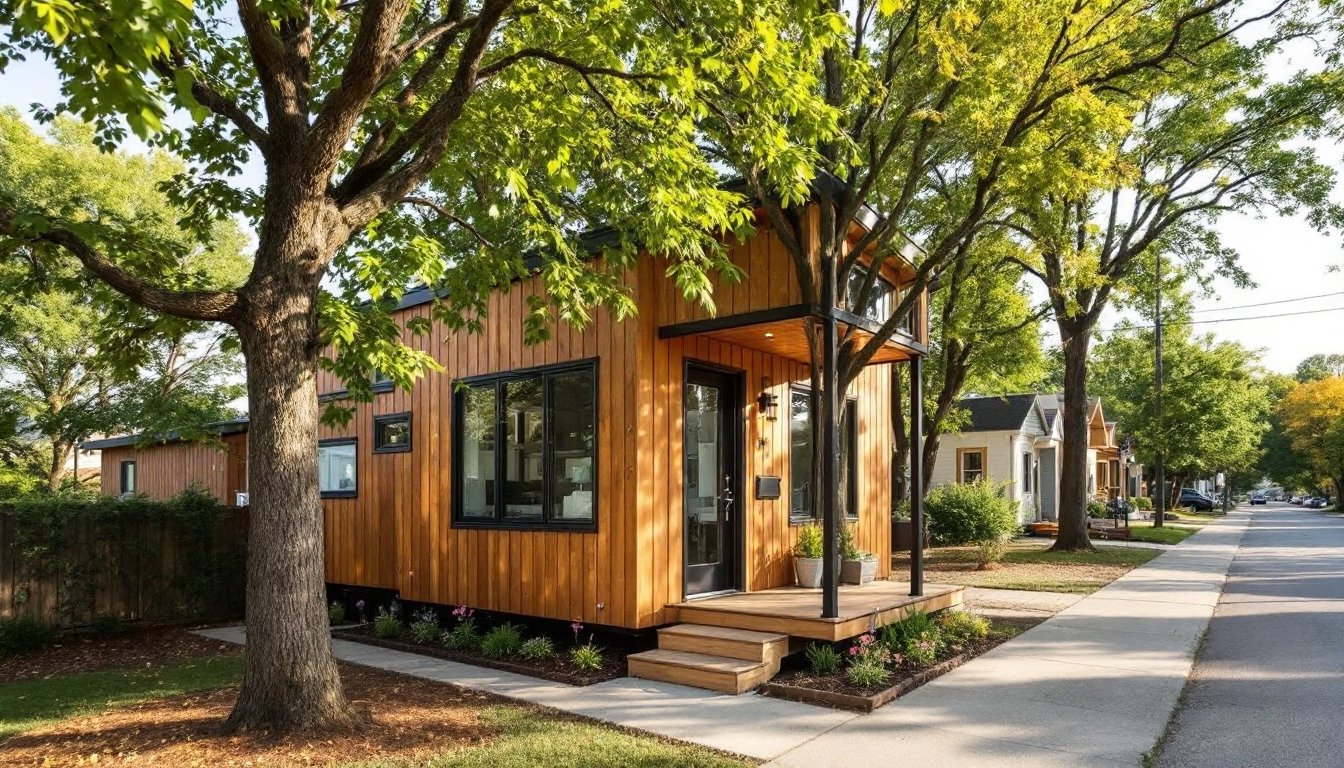
ToggleNashville’s real estate market is shifting, and tiny homes are leading the charge. Whether you’re drawn to lower costs, reduced maintenance, or a conscious lifestyle choice, tiny homes for sale in Nashville offer a compelling alternative to traditional single-family properties. The market here has matured beyond novelty, builders are establishing neighborhoods, lenders are adapting financing options, and buyers are getting serious. This guide walks you through what Nashville’s tiny home market looks like right now, where to find properties, what to expect financially, and how to make a smart purchase decision.
Key Takeaways
- Nashville’s tiny homes for sale range from $120,000 to $350,000, offering significant savings compared to traditional single-family homes averaging $450,000+.
- Verify zoning compliance with Nashville’s Planning Department before purchasing, as zoning restrictions can prohibit tiny homes even in desirable neighborhoods.
- Mobile-based tiny homes depreciate like RVs while foundation-based homes appreciate like traditional properties, making foundation-based options a smarter long-term investment.
- East Nashville and Sylvan Heights have emerged as established tiny home hubs with walkable neighborhoods and strong amenities that support property appreciation.
- Get pre-approval from a lender experienced with tiny homes, as traditional banks often cap loan amounts at $150,000–$200,000 or won’t finance mobile-based units.
- Strategic upgrades like fresh paint, updated lighting, and quality hardware deliver high visual impact in compact spaces and improve both rental demand and resale value.
Why Nashville Is Becoming A Tiny Home Hotspot
Nashville’s booming population and rising housing costs have created perfect conditions for the tiny home movement. The city attracts young professionals, remote workers, and retirees, groups that often prioritize affordability and community over square footage. Unlike some markets where tiny homes remain a niche experiment, Nashville has integrated them into mainstream real estate conversations.
The city’s culture also plays a role. Nashville celebrates creativity, DIY spirit, and alternative living. Music City residents tend to be early adopters of unconventional ideas, which translates to greater acceptance of compact living. Building codes here, while still regulated, have become more flexible about tiny home construction and placement compared to decades past.
Cost is the obvious driver. A traditional Nashville single-family home now averages $450,000+, while quality tiny homes range from $120,000 to $350,000. That gap alone attracts first-time buyers, downsizers, and investors looking for cash-flowing rental properties. Tiny homes also mean lower property taxes, reduced utility bills, and simplified maintenance, financial benefits that compound over time.
What To Expect From The Nashville Tiny Home Market
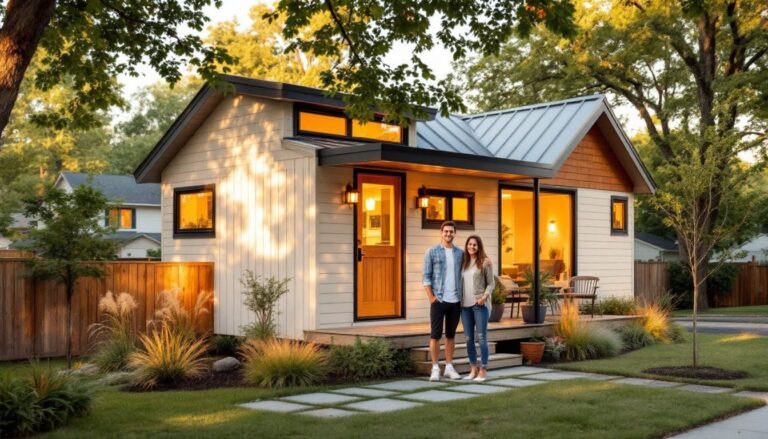
The Nashville tiny home market is diverse. You’ll find everything from modern prefab units delivered on flatbeds to custom-built homes on permanent foundations, used mobile homes repurposed as primary residences, and shipping container conversions. Each type carries different financing, zoning, and resale considerations. Understanding these categories helps you narrow your search.
Inventory fluctuates seasonally. Spring and early summer see more listings as builders complete winter construction and sellers capitalize on fair-weather buyers. Winter offers less selection but potentially more negotiating power if you find a motivated seller.
Price Ranges And Affordability
Nashville tiny homes (typically 400–800 square feet) fall into three price tiers. Budget-friendly options ($100,000–$180,000) often feature basic finishes, older mobile home chassis, or homes needing cosmetic updates. Mid-range homes ($180,000–$280,000) are move-in ready with modern utilities, thoughtful layouts, and quality finishes. Premium tiny homes ($280,000–$400,000+) offer custom builds, high-end materials, and optimal locations.
Financing matters. Traditional mortgages cap out around $200,000 for some lenders, forcing premium buyers into cash or portfolio loans. FHA loans sometimes work for newer, foundation-based tiny homes but are harder for mobile-based units. Personal loans, RV loans, and construction financing each have different rates and terms. Always check with multiple lenders: the tiny home market still confuses some traditional banks.
Popular Neighborhoods For Tiny Homes
East Nashville has emerged as a tiny home hub, walkable, artsy, and near amenities. Lots here are smaller and more affordable than West Nashville, making them ideal for compact homes. Sylvan Heights and Buena Vista offer established neighborhoods with good walkability and increasing tiny home presence.
The Wedgewood-Houston area offers industrial charm with affordability. Antioch and Madison see growing tiny home communities as suburbs outward and prices increase. Some developers are also placing tiny homes in existing neighborhoods near Belmont and Vanderbuilt, carving out micro-communities within established areas.
Before committing to a neighborhood, verify zoning. Nashville’s zoning code permits tiny homes in some residential zones but restricts them in others. A property might look perfect until you discover it’s zoned for single-family dwellings only, or that the lot doesn’t meet ADU (accessory dwelling unit) requirements. Always pull zoning documents and talk to the planning department, not the seller.
Essential Steps Before Buying A Tiny Home In Nashville
Don’t skip due diligence because a property is smaller. Tiny homes concentrate utilities, systems, and risks into compact spaces, making inspections even more critical than traditional homes.
Start with a thorough inspection. A standard home inspector may not specialize in tiny homes or mobile foundations. Hire someone experienced with the specific type you’re buying. If it’s a prefab or mobile-home-based unit, they must understand axle systems, hitch ratings, and whether the foundation is permanent or temporary.
Verify zoning and permits. Call Nashville’s Planning Department and ask if the property allows the intended use. Is it zoned for a tiny home? Does it meet setback and lot coverage requirements? If it’s a mobile home, confirm it’s registered and has an updated title. Any code violations or illegal additions will become your problem at closing.
Check HOA and deed restrictions. Many subdivisions prohibit homes under a certain square footage. Even if zoning allows it, restrictive covenants might not. Review documents before making an offer.
Understand mobile vs. foundation-based. Mobile-based tiny homes depreciate like RVs: they’re personal property, not real property. Foundation-based homes appreciate like traditional houses. This affects resale value, financing options, and long-term equity. Some Nashville developments offer foundation-based tiny homes specifically because buyers want that equity.
Get a pre-approval that covers tiny homes. Don’t assume your bank will finance your target property. Some lenders won’t touch mobile-based units: others cap loan amounts at $150,000. Confirm pre-approval before making offers. Many tiny home buyers explore alternative lending, personal loans, builder financing, or cash purchases, because traditional mortgages don’t fit.
Research the Tiny Home for Singles lifestyle to see if compact living aligns with your habits and needs. Small homes expose incompatibilities faster than large ones.
Maximizing Your Tiny Home Investment
Buying is one thing: making the most of your investment is another. Whether you’re owner-occupying or buying to rent, strategic decisions amplify returns.
Choose upgrades that matter in the resale market. In tiny homes, visual impact compounds. A fresh coat of paint, updated lighting, and quality hardware feel luxurious in a 500-square-foot space. Don’t cheap out on finishes. Conversely, avoid over-personalizing. Renters and future buyers want flexibility, neutral palettes, functional layouts, and move-in readiness.
Location within the neighborhood matters. Corner lots and homes with privacy barriers rent and sell faster than units facing parking areas. A tiny home nestled in trees feels spacious: one surrounded by other units feels cramped.
Plan for rental demand if you’re an investor. Nashville’s short-term rental market booms, but regulations tighten yearly. Verify if your address allows STR (short-term rental) licenses before buying. Long-term rentals offer stability: STRs offer higher returns but more management. Pick before purchase.
Explore Shipping Container Tiny Homes to see innovative construction methods and design inspirations that may inform your investment approach.
Build community. Homes in established tiny home neighborhoods appreciate because of amenities and camaraderie. A development with green space, gathering areas, and engaged residents holds value better than isolated units. If buying independently, seek locations near others, not out of desperation, but because clusters create identity and future demand.
Account for utilities and hidden costs. Smaller footprint means lower bills, but systems are often integrated. A failing heat pump in a tiny home can’t be ignored like in a sprawling house. Budget for regular maintenance, HVAC, septic (if applicable), and foundation checks, because failures hit faster in compact spaces.
Potential renters and future buyers look at Tiny Home YouTube Channels for inspiration, so understanding the aesthetic that’s driving demand helps position your property competitively.
Consider off-grid potential if it applies. Solar, rainwater systems, and composting toilets appeal to a segment of Nashville buyers, not everyone, but a growing one. Even if you don’t install them, building the capability increases property flexibility and appeal.
Conclusion
Nashville’s tiny home market is mature, diverse, and full of legitimate opportunities for the right buyer. Success hinges on clear-eyed due diligence, understanding zoning, financing limits, and the specific type of home you’re buying. The smallest properties often reveal the biggest differences between great deals and costly mistakes. Take your time, inspect thoroughly, and buy with intention. Tiny homes aren’t for everyone, but in Nashville right now, they’re genuinely viable for those who understand what they’re getting into.