
Table of Contents
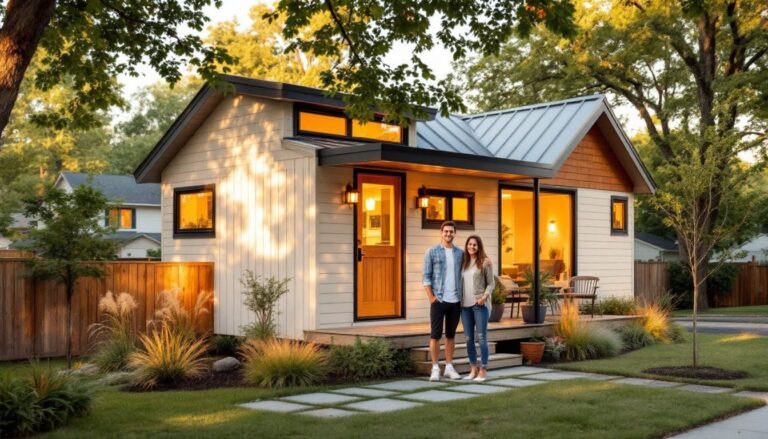
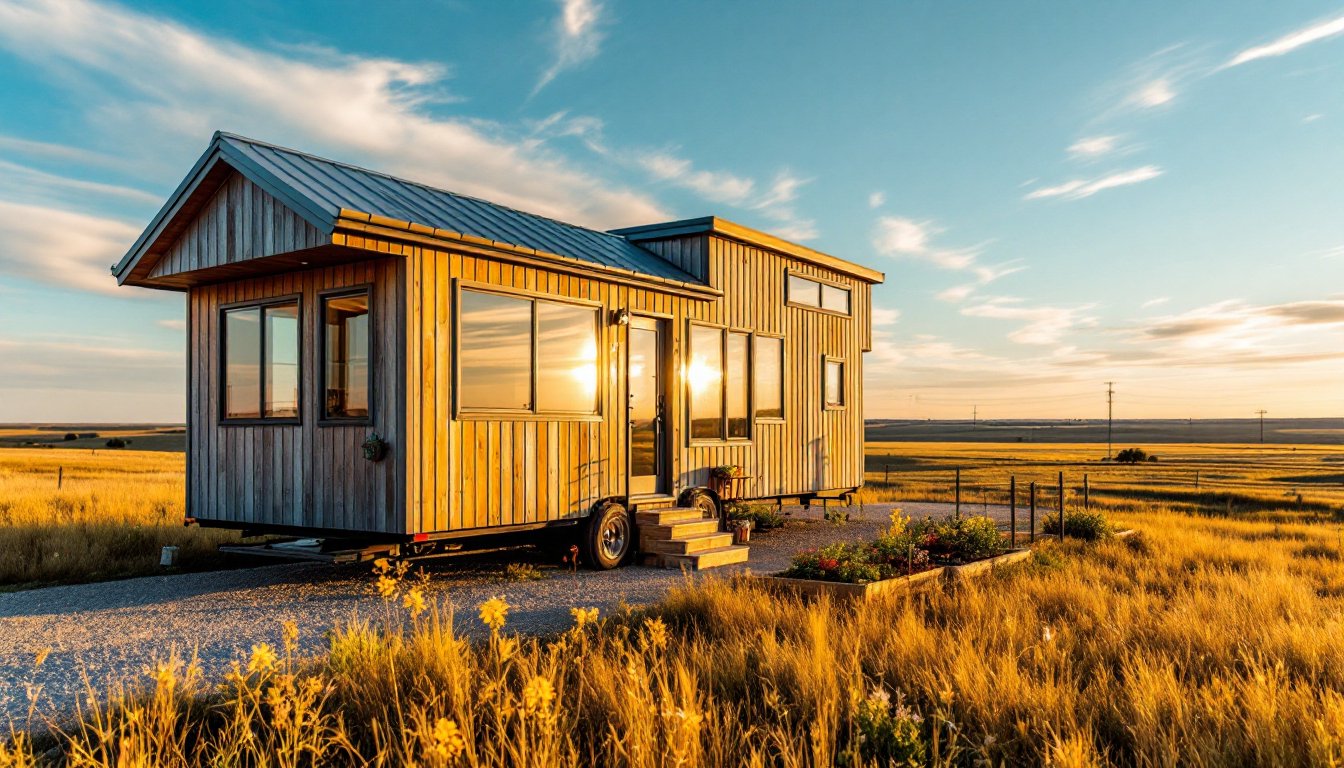
ToggleOklahoma is experiencing a quiet revolution in residential living. Tiny homes, typically ranging from 400 to 1,000 square feet, are gaining traction across the state as homeowners discover the financial freedom and simplified lifestyle they offer. Whether you’re looking to downsize, reduce your environmental footprint, or find an affordable entry point into homeownership, Oklahoma’s affordability, growing tiny home communities, and relatively permissive zoning in many areas make it an ideal place to make the transition. This guide walks you through what you need to know about purchasing, building, and living in a tiny home in Oklahoma.
Key Takeaways
- Tiny homes in Oklahoma cost $100,000 to $250,000 all-in, significantly less than traditional homes, while cutting utility bills by 30–50% and dramatically reducing monthly housing expenses.
- Oklahoma’s abundant affordable land, minimal zoning restrictions in rural counties, and growing cultural acceptance make it an ideal location for tiny home living compared to coastal states.
- Smart design solutions like loft bedrooms, multifunctional furniture, vertical storage, and outdoor extensions transform 400–1,000 square foot homes into comfortable, functional spaces.
- Zoning laws vary by county and city in Oklahoma—rural areas are tiny-home friendly, but Oklahoma City, Tulsa, and larger municipalities may enforce minimum square footage requirements, so always verify local regulations before purchasing.
- Annual housing costs for owned tiny homes range from $500–$1,500 per month, versus $1,200–$2,500+ for traditional homes, enabling homeowners to redirect savings toward education, investment, and community engagement.
- Intentional tiny home communities and co-housing projects throughout Oklahoma amplify affordability and social benefits by offering shared resources like common buildings, gardens, and equipment.
Why Oklahoma Is Becoming A Tiny Home Haven
Oklahoma’s appeal for tiny home enthusiasts boils down to three factors: cost, land availability, and a growing cultural shift toward minimalism.
First, the numbers. Compared to coastal states or high-demand metro areas, Oklahoma’s real estate market is remarkably accessible. Raw land runs $3,000 to $10,000 per acre in many rural and semi-rural areas, while a traditional home in Oklahoma City averages around $350,000 to $450,000. A tiny home on a modest plot can cost $100,000 to $250,000 all-in, less than a single year’s rent in many larger cities. This price advantage attracts retirees stretching fixed incomes, young professionals seeking debt freedom, and families wanting to redirect housing costs toward experiences.
Second, Oklahoma has abundant land. With 44 million acres and a relatively low population density outside Oklahoma City and Tulsa, finding suitable property is feasible without the bidding wars common elsewhere. Land is genuine and affordable enough that many tiny home dwellers can afford to own outright or finance at favorable terms.
Third, the cultural momentum is real. Social media, YouTube channels, and real-world communities celebrating minimalist living have made tiny homes aspirational rather than desperate. Oklahoma’s modest, practical heritage aligns well with the ethos of downsizing: people here are accustomed to making do, fixing things, and living within their means. When you combine that pragmatism with new design trends, open shelving, multifunctional furniture, and smart storage, tiny living feels achievable and intentional rather than claustrophobic.
The Tiny Home Lifestyle In Oklahoma
Living tiny in Oklahoma isn’t just about square footage: it’s a mindset shift that affects daily routines, financial planning, and community engagement.
Most Oklahoma tiny home dwellers report lower monthly expenses, mortgage or rent, utilities, insurance, and maintenance all shrink dramatically. A 600-square-foot home heats and cools faster than a traditional 2,500-square-foot residence, cutting utility bills by 30% to 50% in many cases. Property taxes on smaller homes are proportionally lower. Fewer rooms mean less to clean, fewer appliances to replace, and fewer decorative purchases tempting you at the store. This financial headroom allows owners to save, invest, pursue education, or support causes they care about.
Design and storage become paramount. Vertical living, tall shelving, loft bedrooms, wall-mounted desks, becomes standard. Multifunctional furniture (sofa beds, storage ottomans, kitchen islands with seating) isn’t an aesthetic choice: it’s survival. Clutter accumulates noticeably in tiny spaces, so many residents embrace minimalist buying habits naturally. Resources like Tiny Home YouTube Channels showcase real Oklahomans and others solving these daily logistics creatively.
Community ties often deepen. With less space for entertaining at home, tiny home residents frequent parks, coffee shops, farmers’ markets, and public venues more regularly. This fosters local connections and a stronger sense of place, valuable in small Oklahoma towns where such engagement strengthens the community fabric.
Zoning Laws And Regulations For Oklahoma Tiny Homes
Here’s where Oklahoma gets mixed reviews. State law doesn’t prohibit tiny homes, but zoning is local, meaning each city, town, and county sets its own rules. This fragmentation requires assignments before you buy land or start construction.
Many rural Oklahoma counties have minimal zoning oversight, making them ideal for tiny home projects. You’ll generally need to meet state building codes (IRC, International Residential Code, applies), septic system standards if off-grid, and electrical/plumbing codes. A septic system, well, and gravel drive add cost but are legal and routine in unincorporated areas.
Oklahoma City, Tulsa, and larger municipalities often have stricter codes. Some enforce minimum home sizes (1,500 to 2,000 square feet), lot width requirements, or setback rules that make tiny homes difficult or impossible. Others allow ADUs (accessory dwelling units) or secondary homes on larger residential lots under specific conditions. A few progressive cities like Norman have begun loosening restrictions to encourage housing diversity, but you can’t assume any city welcomes tiny homes, always verify locally.
Zoning codes typically don’t explicitly ban “tiny homes” by name: instead, they regulate minimum square footage, lot sizes, or land use classifications. A 400-square-foot dwelling might violate a 1,500-square-foot minimum. Conversely, it might qualify as an ADU or guest house under relaxed rules. Contact your county assessor, planning department, or city zoning office before signing a land purchase. Many offices now have online zoning maps and ordinances. If you’re considering a specific property, a one-hour consultation with a local real estate attorney ($150–$300) is cheap insurance.
Best Locations And Communities In Oklahoma For Tiny Living
Oklahoma has several clusters where tiny homes thrive, both as standalone purchases and in intentional communities.
Rural and Semi-Rural Areas: Counties like Canadian, Grady, and Custer offer affordable land and minimal zoning restrictions. Properties 5–20 acres are common, giving tiny home owners room to expand with workshops, gardens, or recreational space. The trade-off: you’ll drive 45 minutes to an hour to reach significant shopping, medical services, or dining. Utility costs may be higher if you’re off-grid or rely on propane.
Near Tulsa: Areas like Broken Arrow, Owasso, and Catoosa are growing and relatively tiny-home friendly, with land prices still reasonable ($8,000–$15,000 per acre) and closer access to urban amenities. Communities like Riverwalk Crossing in Catoosa have begun incorporating modern tiny homes and accessory dwellings.
OKC Metro Fringes: Edmond, Norman, and Midwest City have tightened zoning, but unincorporated areas between cities (Canadian County, just north of OKC) offer openness at lower cost. Commutes are 20–40 minutes but manageable.
Intentional Communities: Oklahoma has a handful of purpose-built tiny home villages or co-housing projects. These range from eco-friendly communities emphasizing sustainability to retirement-focused villages. Research organizations like the Fellowship for Intentional Community to identify established groups. Many operate as cooperatives or HOA-governed communities with shared resources (common buildings, gardens, equipment) that amplify tiny living’s affordability and social benefits.
When evaluating a location, assess: zoning friendliness, utility infrastructure (municipal water/sewer vs. well/septic), distance to your workplace, school districts (if relevant), broadband availability, and property condition. Flood risk is minimal in most of Oklahoma, but a FEMA flood map check is prudent.
Cost Breakdown: Tiny Homes In Oklahoma
Understanding the financial picture, upfront and ongoing, is crucial. Costs vary widely based on whether you buy a finished tiny home, a prefab unit, or build from scratch.
Prefab/Manufactured Tiny Homes: $80,000–$200,000 delivered and set up. These are built in a factory and trucked to your land. Quality ranges from basic single-wide trailers to high-end prefab units with modern finishes. Delivery, foundation setup, and hookup add 10–20% to the purchase price. Many Oklahoma dealers offer models in the $100,000–$150,000 range.
Build-from-Scratch on Your Land: $150,000–$350,000+ depending on design, finishes, and whether you DIY portions. Labor typically accounts for 40–50% of construction cost. A modest, owner-built tiny home on Oklahoma land can come in under $150,000 if you’re handy and patient. Professional construction (hiring contractors) costs more but ensures code compliance and warranty coverage.
Shipping Container Conversions: $50,000–$150,000. Containers are cheap ($3,000–$5,000 new), but insulation, interior finishing, electrical, and plumbing work add up. For architectural inspiration, Shipping Container Tiny Homes showcase functional examples.
Annual Costs: Property taxes (rural Oklahoma, ~$400–$1,200 yearly on a modest parcel), utilities ($80–$150/month), insurance ($500–$1,200/year), and maintenance ($200–$500/year). If you’re renting a lot in a community, lot rent can run $400–$800/month. Total monthly housing cost: $500–$1,500 for owned tiny homes, versus $1,200–$2,500+ for traditional homes in comparable areas.
Financing: Banks are warming to tiny homes but may balk at custom builds or unconventional designs. Prefabs and standard constructions finance more easily. Some community banks and credit unions in Oklahoma specialize in smaller loans. Expect to put 10–20% down and secure a loan term of 15–20 years (shorter than traditional mortgages). Interest rates are typically 0.5–1.5% higher than conventional mortgages due to perceived risk.
Design And Interior Solutions For Oklahoma Tiny Homes
Smart design turns 600 square feet into a comfortable, functional home rather than a cramped box.
Loft Bedrooms: Most Oklahoma tiny homes use lofts for sleeping, freeing ground-floor square footage for living and kitchen space. A 10-by-12-foot loft (roughly 120 square feet) fits a queen bed and nightstands comfortably. Ensure headroom of at least 36–42 inches at the loft’s center, you’ll be crawling out of bed at 5 a.m. otherwise. Install a small dormer or skylight if building: it transforms a dark cubby into an airy retreat. Dwell and Apartment Therapy regularly feature loft designs that balance coziness with openness.
Kitchen Efficiency: A galley kitchen (one long counter or back-to-back counters) or L-shaped layout works best in tight spaces. Use vertical storage: wall-mounted racks, magnetic knife strips, and suspended shelving. A compact 30-inch induction cooktop and undercounter fridge reduce footprint. An island can integrate seating and storage, creating a social hub even in a small footprint.
Multifunctional Rooms: A living room by day becomes a guest room via a quality sofa bed. A dining nook with built-in seating stores board games and seasonal items. A home office desk pulls out from a closet or folds against a wall. Every piece counts.
Storage and Organization: Built-ins, cabinets under stairs, shelving around doors, closet systems, maximize every inch. Decluttering isn’t optional: it’s foundational. Tiny Home for Singles and other guides highlight personal accounts of what storage systems work in real living scenarios.
Natural Light: Large windows or skylights prevent claustrophobia and reduce daytime lighting costs. Paint walls in light, neutral colors. Use mirrors to reflect light and create visual depth.
Outdoor Extension: A covered porch, deck, or patio doubles your usable living space seasonally. Oklahoma’s mild winters (occasional ice storms aside) and warm summers reward outdoor lounging. A 10-by-12-foot deck costs $1,500–$3,000 DIY or $3,500–$5,500 professionally built, worthwhile if your tiny home has land to support it.
Conclusion
Tiny homes in Oklahoma offer a tangible path to affordability, financial freedom, and intentional living. The state’s land availability, accessible zoning in many areas, and growing community of tiny home enthusiasts make it a genuine option, not a pipe dream. Start by visiting properties, joining local online communities, and talking to current tiny home dwellers about their experiences. Your dream of compact, low-cost living in Oklahoma is closer than you might think.