
Table of Contents
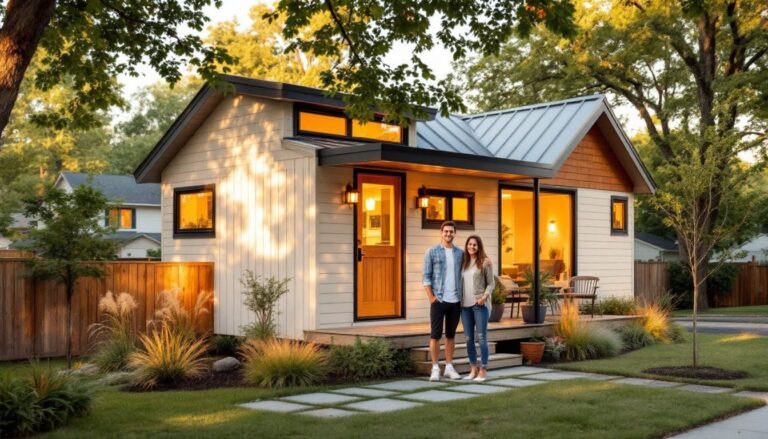
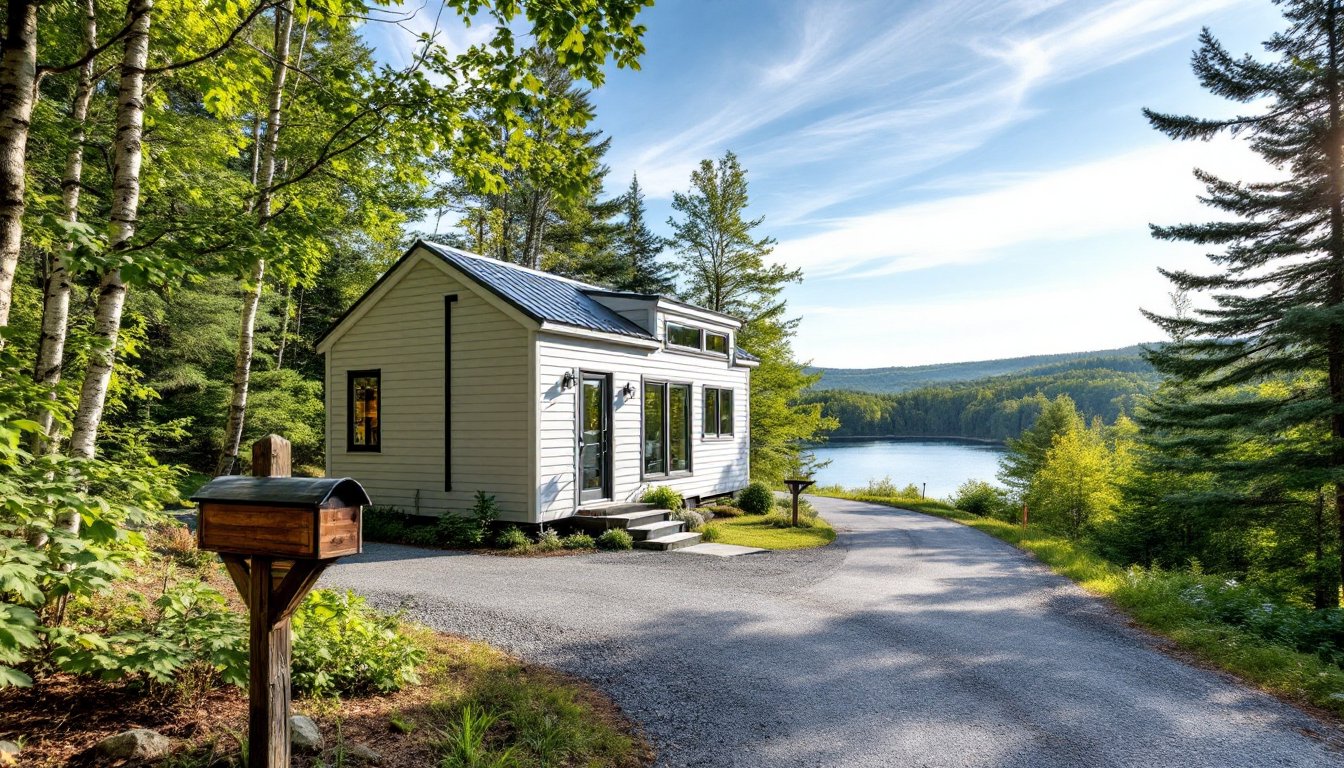
ToggleNew Hampshire’s landscape, dotted with lakes, rolling mountains, and charming small towns, has become an unexpected hotbed for tiny home buyers seeking affordability and community. Whether you’re drawn to the tax-friendly environment, the four-season beauty, or simply the financial freedom that comes with downsizing, tiny homes for sale in New Hampshire offer a practical entry point into minimalist living. This guide walks you through what to expect, where to look, and what pitfalls to avoid when shopping for a tiny home in the Granite State.
Key Takeaways
- New Hampshire’s lack of state income tax, pragmatic zoning laws, and cold-climate construction standards make it an ideal location for tiny house for sale new hampshire buyers seeking affordability and quality.
- When evaluating a tiny home, prioritize essential features like defined bedroom spaces, full bathrooms, quality storage solutions, proper insulation (R-30+ for walls), and structural integrity over cosmetic appeal.
- Each New Hampshire town sets its own zoning rules, so verify local ordinances, foundation requirements ($3,000–$8,000), and permit timelines (4–8 weeks) before committing to a property purchase.
- Tiny homes in New Hampshire range from $45,000 to $150,000, with financing available through USDA loans, FHA programs, and portfolio lenders, though rates are typically 0.5–1% higher than traditional mortgages.
- New Hampshire’s Lakes Region, White Mountains, and Seacoast towns offer distinct advantages, from waterfront access near Laconia to privacy-focused mountain living and vibrant downtown communities.
- Budget for ongoing costs including property taxes ($600–$1,200 annually), utilities ($80–$150 monthly), and 1% annual maintenance reserves to ensure financial readiness for tiny home ownership.
Why New Hampshire Is Ideal for Tiny Home Living
New Hampshire stands out as a rare sweet spot for tiny home buyers. Unlike some states that heavily restrict residential living in small structures, New Hampshire takes a pragmatic stance: it allows manufactured and modular homes on private land with fewer bureaucratic hurdles. No state income tax means more cash stays in your pocket for land, utilities, and maintenance, a key advantage when you’re starting lean.
The state’s thriving real estate market has also matured around the tiny home niche. Local builders understand the market, financing institutions are familiar with the nuances, and inspection processes, while thorough, don’t treat tiny homes as oddities. Weather-wise, New Hampshire’s cold winters mean better-built tiny homes. Insulation and moisture management aren’t afterthoughts here: they’re survival necessities. Your tiny home will likely ship with better underlayment, thicker framing, and sealed penetrations than southern counterparts.
Community appeal matters too. Tiny home neighborhoods, whether formal communities or scattered properties, tend to attract like-minded buyers who value sustainability, lower environmental footprints, and financial independence. You’re not just buying a home: you’re buying into a lifestyle that New Hampshire’s towns and property owners increasingly support.
Key Regions and Neighborhoods for Tiny Homes in NH
Lakes Region and Mountain Properties
New Hampshire’s Lakes Region, stretching from Laconia through Meredith and around Lake Winnipesaukee, has emerged as the premier tiny home market. Properties here command attention because waterfront and near-water parcels draw premium buyers, and tiny homes let you access that lifestyle at a fraction of full-home prices. Towns like Meredith and Laconia have relaxed zoning on modular structures, making it easier to place a 32-foot tiny home on a standard residential lot.
The White Mountains region, centered around the towns of North Conway, Lincoln, and Franconia, attracts retirees and remote workers seeking mountain living without the upkeep of a sprawling cabin. Here, tiny house for sale new hampshire listings often sit on larger parcels, 1 to 5 acres, where land value is reasonable and privacy is genuine. You’ll find properties pre-zoned for alternative housing.
Seacoast towns like Portsmouth, Durham, and Rye represent a different buyer profile: young professionals and empty-nesters willing to accept smaller homes to live near the ocean and walkable downtowns. Property prices are steeper, but community amenities and job markets offset the premium. These towns have institutional knowledge about parking, setbacks, and other constraints that affect tiny homes in dense neighborhoods.
Central and southern towns, Concord, Keene, Manchester, offer affordability and big-city services without the coastal or mountain price tag. These emerging markets see fewer tiny homes listed but offer genuine opportunities for buyers seeking value.
What to Look for When Buying a Tiny Home
Essential Features and Layout Considerations
When evaluating a tiny home, prioritize utility and build quality over cosmetics. Most tiny homes range from 300 to 500 square feet, roughly the size of a small apartment. The layout can make or break livability. Look for homes with defined bedroom spaces (not a sleeping loft accessible only by ladder), at least one full bathroom, and a galley kitchen with counter depth, not toy counters. Real 24-inch deep countertops matter when you’re preparing meals every day.
Storage is non-negotiable. Open shelving looks trendy but forces you to organize constantly. Seek homes with under-bed drawers, closets with shelving, and cabinetry that maximizes vertical space. High-quality finishing matters more in 350 square feet than it does in a 2,500-square-foot house because you live in every room.
Structural details reveal a builder’s care. Examine insulation values (R-30 minimum for walls in New Hampshire, R-40+ for roofs). Check for quality subflooring, it shouldn’t flex underfoot. Review the HVAC system: forced air works better than a single mini-split heat pump for whole-home comfort in four-season climates. Plumbing, check for tankless water heaters and winterization provisions if you plan seasonal occupancy. Tiny homes sit on trailers, so examine the frame’s galvanization and tie-down straps. Evidence of rust or salt spray damage suggests poor maintenance on the owner’s part.
When consulting design inspiration, resources like Houzz offer hundreds of tiny home layouts that illustrate smart space management. Knowing what features drive livability helps you ask the right questions when viewing properties.
Zoning Laws and Regulations in New Hampshire
New Hampshire’s zoning approach is famously local: each town writes its own rules. There’s no statewide mandate against tiny homes, but every municipality has the power to restrict them. This is both a strength and a complication.
Most of New Hampshire’s towns allow modular and manufactured homes on standard residential lots with reasonable setbacks and lot sizes. Some towns require a minimum lot size of 10,000 to 15,000 square feet, others ask for 1 acre, and a few remain hostile to alternative housing. Before falling in love with a property, confirm the town’s current ordinances. Call the town’s Code Enforcement Officer or visit the town website for zoning maps and regulations.
Permanent foundation vs. trailer-based placement matters legally. Homes on wheels (true tiny houses on trailers) sometimes face restrictions in residential zones designed for “permanent structures.” Check whether your target lot zoning permits mobile homes or if you’ll need to pour a concrete foundation, a significant expense ($3,000–$8,000 depending on soil conditions and frost depth, which runs 42–48 inches in New Hampshire). Foundation work also requires a building permit and inspection.
Septic and well regulations vary by town and county. Some towns allow dug wells: others mandate drilled wells or municipal water. Septic systems must meet Title 5 standards (New Hampshire’s environmental rule). Budget for a designer’s stamp and town approval, often $500–$1,500. If municipal sewer is available, hookups simplify everything but reduce your independence.
Permitting timelines in New Hampshire typically run 4–8 weeks once you’ve applied, assuming no red flags. Don’t assume a property is “grandfathered” into old zoning if the tiny home is new to the lot: verify with the town before closing.
Financing and Pricing Your Tiny Home Purchase
Tiny home pricing in New Hampshire ranges from $45,000 to $150,000 depending on square footage, finishes, and location. A basic 350-square-foot dwelling runs $50,000–$75,000: a high-end 500-square-foot home with premium appliances and finishes hits $120,000–$160,000. Land, often the deciding factor, ranges from $30,000 for 2–3 acres in rural areas to $150,000+ for waterfront or near-town parcels. Budget 20–30% total for land acquisition and closing costs.
Financing remains tricky. Traditional mortgage lenders hesitate on homes under 400 square feet or those on wheels, viewing them as risky. But, the landscape has shifted in 2025–2026. USDA loans increasingly approve tiny homes in rural NH counties. FHA loans work if the home meets minimum bedroom and bathroom standards (one of each, at minimum). Some credit unions and portfolio lenders (who hold loans rather than selling them) accept tiny homes more readily than conventional banks.
Manufactured home loans differ from mortgages: interest rates run 0.5–1% higher, and loan terms often max out at 20–25 years rather than 30. Personal loans or home equity lines of credit work for some buyers, though rates are steeper. Get pre-approval before shopping. Lenders want proof the property meets local zoning, that the home is built to code, and that utilities are available.
When exploring floor plans and design options, tiny house plans help you understand what features justify different price points. Working backward from budget ensures you don’t chase properties outside your financial reach.
Factoring in ongoing costs matters: property tax in New Hampshire averages 0.95–1.2% of home value annually (among the highest in the nation), but because your home’s assessed value is lower, your actual bill remains modest, $600–$1,200 per year on a $75,000 tiny home. Utilities run $80–$150 monthly year-round. Maintenance reserves should be 1% of home value annually, a buffer for roof repairs, HVAC service, and weatherization.